








Call for Applications: Fully Funded Master’s Scholarship for Malaria Molecular Surveillance Project 2026 ·Unknown
The Rwanda Biomedical Centre (RBC) has announced an exciting opportunity for Master’s students passionate about malaria research, disease surveillance, and public health to participate in the Malaria Molecular Surveillance (MMS) Project.
The initiative is a three-year national programme funded by the Gates Foundation and aims to strengthen Rwanda’s capacity to monitor malaria transmission, drug resistance, and diagnostic performance using advanced molecular technologies.
The call for interested and motivated postgraduate students was shared through the Africa Institute of Health, Science & Technology (AIHST), encouraging young researchers to contribute to one of Rwanda’s most significant public health initiatives focused on malaria control and elimination.
About the Malaria Molecular Surveillance Project
The Malaria Molecular Surveillance (MMS) Project is a national initiative designed to modernize Rwanda’s malaria surveillance system by integrating genomic technologies into routine disease monitoring.
The project seeks to establish a robust molecular surveillance network capable of detecting emerging threats, monitoring malaria parasites in real time, and supporting evidence-based decision-making for malaria elimination efforts.
Funded by the Gates Foundation, the programme represents a major investment in strengthening Rwanda’s scientific capacity and public health infrastructure while developing the next generation of malaria researchers.
Fully Funded Master’s Scholarship for Malaria Molecular Surveillance Project 2026: Project Objectives
The three-year initiative focuses on enhancing Rwanda’s ability to identify and respond to malaria-related challenges through advanced laboratory science and genomic surveillance.
Key objectives include:
- Establishing a National Malaria Molecular Surveillance Platform.
- Developing a National Malaria Reference Genomics Laboratory.
- Strengthening real-time monitoring of malaria parasites.
- Detecting antimalarial drug resistance markers.
- Monitoring diagnostic resistance markers that may affect malaria testing accuracy.
- Building national scientific and laboratory capacity.
- Supporting evidence-based malaria control and elimination strategies.
By combining genomic technologies with national surveillance systems, the project aims to improve the country’s ability to respond quickly to emerging malaria threats.
Opportunity for Master’s Students
The Rwanda Biomedical Centre is seeking enthusiastic Master’s students who are interested in malaria research, molecular biology, epidemiology, genomics, laboratory sciences, and public health.
Successful students will have the opportunity to contribute to cutting-edge scientific research while gaining practical experience in one of Africa’s most advanced malaria surveillance initiatives.
The programme is expected to provide participants with valuable exposure to laboratory research, molecular surveillance techniques, and national disease monitoring systems.
Students will also have the opportunity to work alongside experienced scientists and public health professionals dedicated to eliminating malaria in Rwanda.
Fully Funded Master’s Scholarship for Malaria Molecular Surveillance Project 2026: Why Molecular Surveillance Matters
Molecular surveillance has become an essential tool in modern malaria control programmes, allowing researchers to identify genetic changes in malaria parasites that may reduce the effectiveness of medicines or diagnostic tests.
Traditional malaria surveillance focuses primarily on tracking disease cases, while molecular surveillance examines the genetic characteristics of malaria parasites to identify emerging resistance before it becomes widespread.
The establishment of Rwanda’s National Malaria Molecular Surveillance Platform is expected to strengthen early warning systems and support faster public health responses.
The initiative will also improve the country’s capacity to generate high-quality scientific evidence for policymakers and healthcare providers.
Expected Benefits of the Programme: Fully Funded Master’s Scholarship for Malaria Molecular Surveillance Project 2026
Master’s students selected for the project will gain valuable academic and professional experience in public health research and laboratory science.
Participants are expected to benefit from:
- Hands-on experience in molecular surveillance and genomics.
- Exposure to advanced laboratory technologies.
- Participation in nationally significant public health research.
- Opportunities to collaborate with experienced scientists and researchers.
- Enhanced research and analytical skills.
- Professional networking within Rwanda’s public health and research community.
- Experience contributing to malaria elimination strategies.
The programme also supports capacity building by developing skilled researchers capable of strengthening disease surveillance systems across the region.
Strengthening Rwanda’s Fight Against Malaria
Despite significant progress in reducing malaria cases over the past decade, malaria remains a major public health concern in many parts of Africa.
Emerging resistance to antimalarial medicines and diagnostic tools continues to threaten global malaria elimination efforts, making surveillance increasingly important.
Through the Gates Foundation-funded project, Rwanda is investing in advanced scientific infrastructure that will improve the detection of resistance markers and strengthen national preparedness against future malaria challenges.
The National Malaria Reference Genomics Laboratory will serve as a central facility for genomic analysis, supporting research, surveillance, and evidence generation to inform national malaria control policies.
Fully Funded Master’s Scholarship for Malaria Molecular Surveillance Project 2026: Who Should Apply?
The opportunity is intended for motivated Master’s students with a strong interest in malaria research and public health innovation.
Ideal candidates include students studying fields such as:
- Public Health
- Molecular Biology
- Biomedical Sciences
- Epidemiology
- Medical Laboratory Sciences
- Genomics
- Biotechnology
- Health Sciences
- Related scientific disciplines
Applicants should demonstrate a genuine interest in malaria control, disease surveillance, laboratory research, and improving health outcomes through scientific innovation.
Supporting Malaria Elimination Through Research
The Malaria Molecular Surveillance Project reflects Rwanda’s continued commitment to strengthening scientific research and investing in innovative approaches to disease prevention and control.
By engaging postgraduate students in nationally important research, the programme aims to build a sustainable workforce capable of supporting future malaria surveillance and elimination efforts.
Students selected for the initiative will not only contribute to cutting-edge research but will also play an important role in strengthening Rwanda’s public health system and advancing the country’s long-term malaria elimination goals.
As malaria continues to evolve, initiatives such as the Malaria Molecular Surveillance Project are expected to play a critical role in ensuring that surveillance systems remain responsive, data-driven, and capable of protecting communities through timely scientific evidence.
APPLY HERE
For more opportunities such as these please follow us on Facebook, Instagram, Twitter, LinkedIn and WPChannel
Disclaimer: Global South Opportunities (GSO) does not take ownership or credit for the opportunities shared on this platform. All opportunities are sourced from official announcements and external sources for informational purposes only. Applicants are encouraged to verify all details, deadlines, and eligibility requirements from the official source before applying. Opportunities may be updated or changed by the providing organisations.
JOIN GSO WHATSAPP CHANNEL NOW
See This Channel For Daily Jobs in South Africa
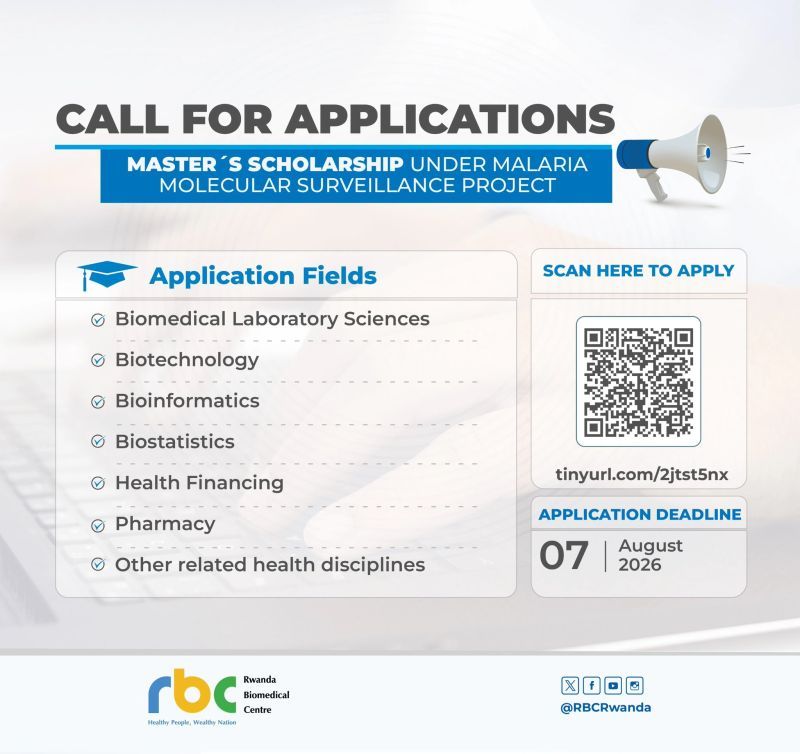
Call for Applications: Fully Funded Master’s Scholarship for Malaria Molecular Surveillance Project 2026
@Unknown
Location
USA / Global
Work Mode
scholarship
Posted
1 day ago
Beware of scams! When applying for jobs, you should NEVER have to pay anything. Learn about job scams.
Get jobs in your inbox
Join over 10,000 subscribers receiving our weekly newsletter.
You might also like
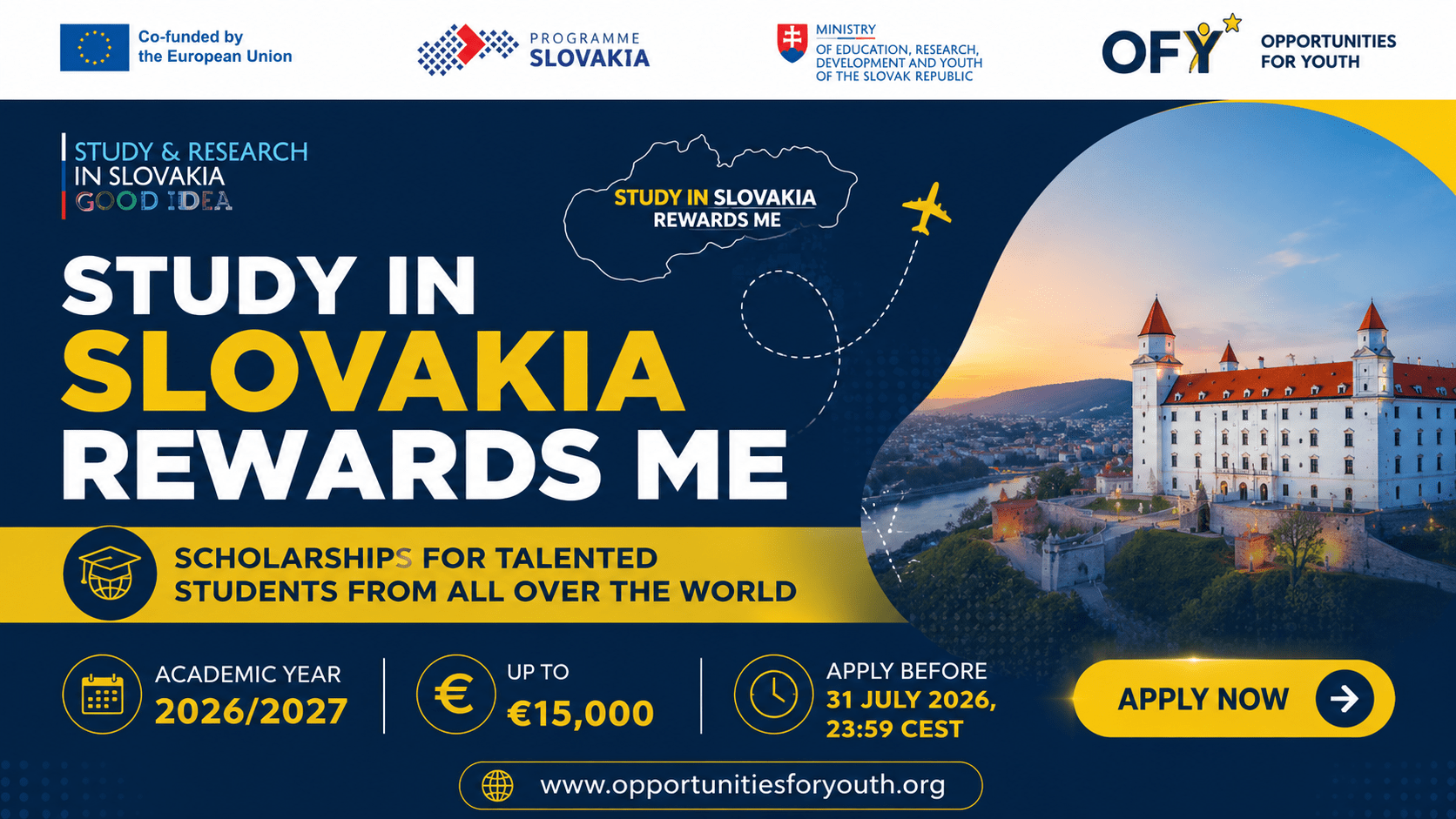
Slovakia Scholarships for Talented International Students 2026/27: Study in Europe and Receive Up to €15,000
Unknown
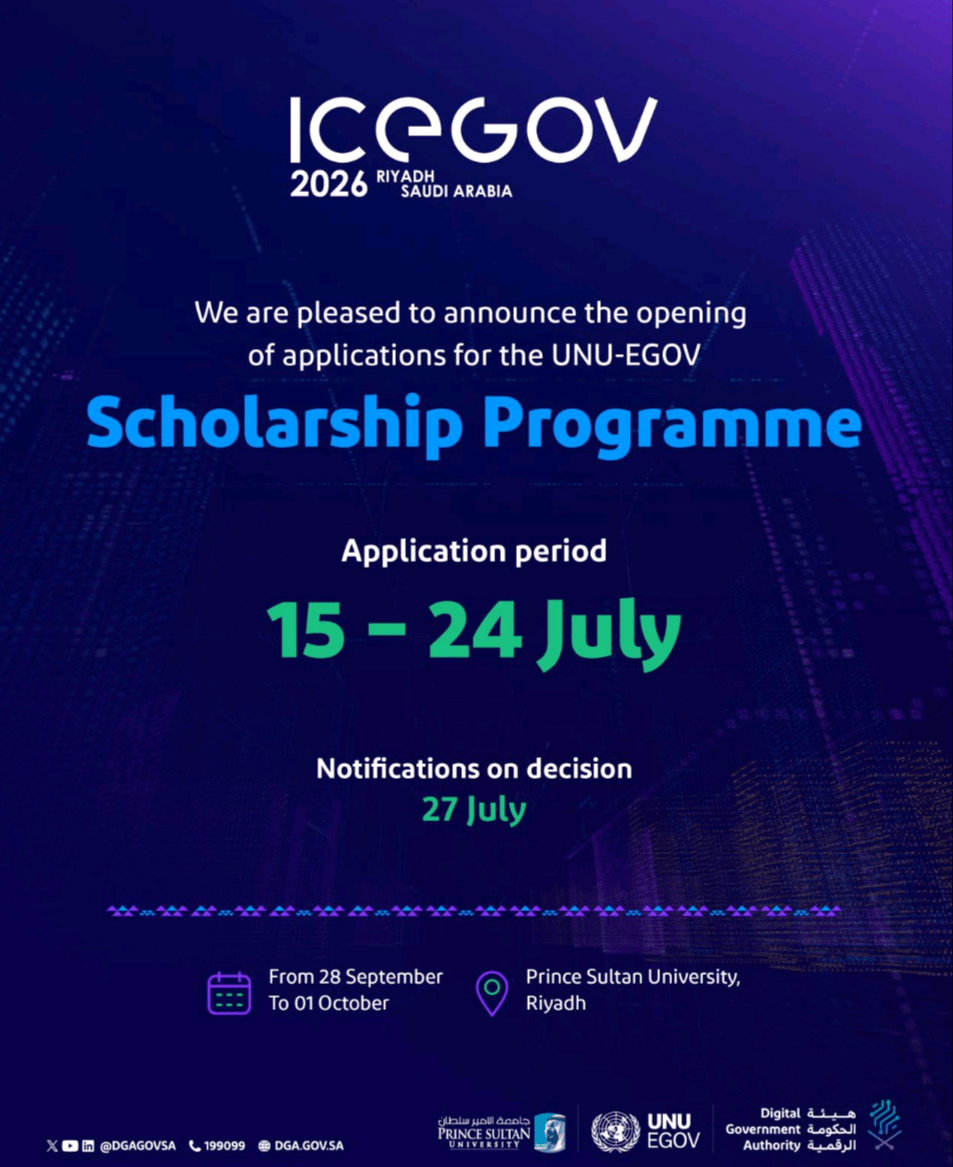
ICEGOV 2026 Scholarships: Apply for Free Conference Registration and a $300 Grant to Attend the International Conference on Theory and Practice of Electronic Governance
Unknown

Google DeepMind AI Master’s Scholarships 2026–2027 at GATE Institute, Sofia University (Fully Funded): Apply for Up to USD 28,695 to Study Artificial Intelligence in Bulgaria
GATE Institute, Sofia University (Fully Funded): Apply for Up to USD 28,695 to Study Artificial Intelligence in Bulgaria

University of Sydney International Tuition Fee Scholarship 2027: Fully Funded Tuition Support for International Research Students
Unknown

Expatrio Scholarship 2026: Win Up to €15,000 to Study in Germany – How to Apply
How to Apply
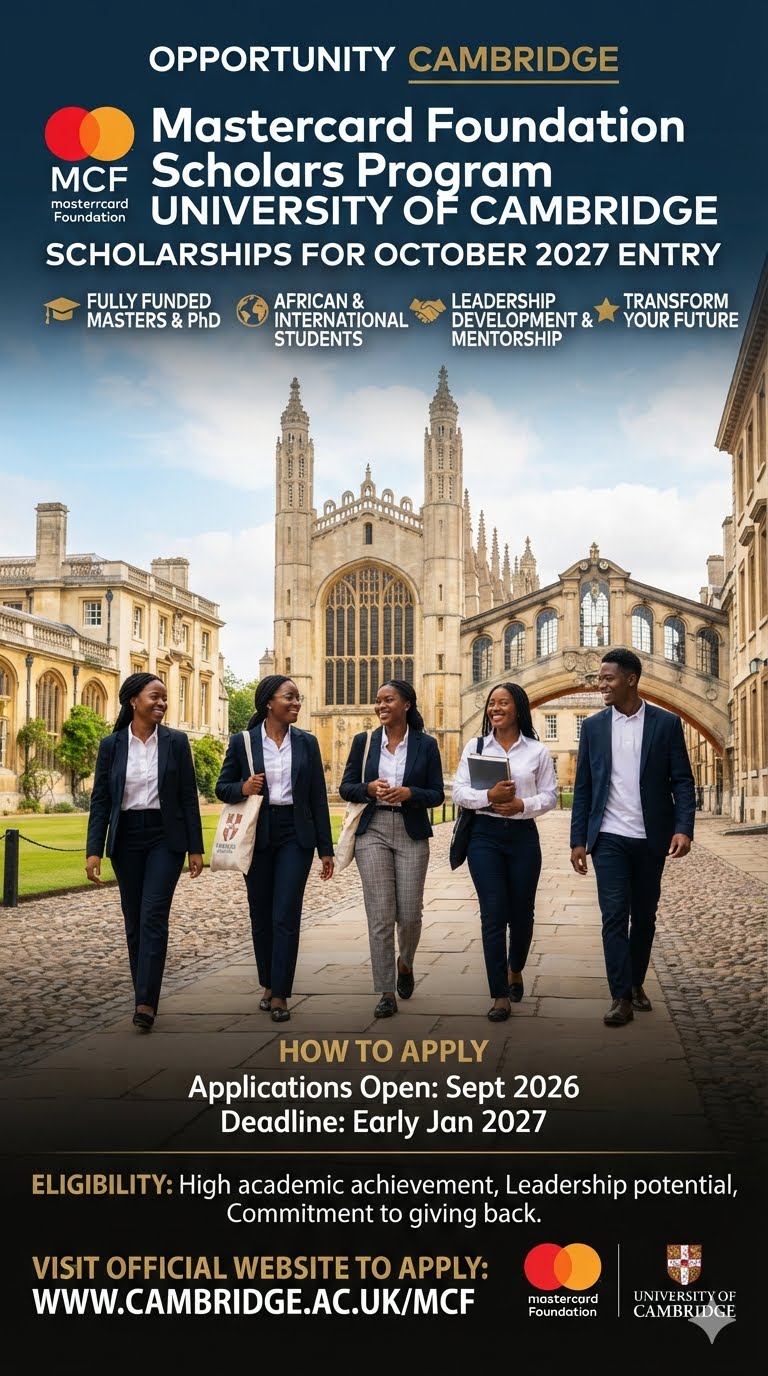
Mastercard Foundation Scholars Program at the University of Cambridge 2027: How to Apply for October 2027 Entry
the University of Cambridge 2027: How to Apply for October 2027 Entry