








Competition for Youth-Led Projects 2026–2027 Opens: Win CHF 3,000 to Build Flood and Drought Resilience ·Led Projects 2026–2027 Opens: Win CHF 3,000 to Build Flood and Drought Resilience
Apply for the Competition for Youth-Led Projects 2026–2027 and win one of two CHF 3,000 grants to implement innovative flood and drought resilience projects. Deadline: 31 August 2026
Young people are increasingly at the frontline of climate change, facing the devastating impacts of floods, droughts, and other extreme weather events. Yet, despite being among the most affected groups, youth continue to be underrepresented in climate decision-making and disaster risk reduction initiatives.
To address this gap, the Competition for Youth-Led Projects 2026–2027 has officially opened applications, inviting young innovators from around the world to propose practical, community-driven solutions that strengthen resilience against floods and droughts.
Organized through a partnership between the Associated Programme on Flood Management (APFM) and the Integrated Drought Management Programme (IDMP)—joint programmes of the World Meteorological Organization (WMO) and the Global Water Partnership (GWP)—in collaboration with the Water Youth Network (WYN), the competition will award two grants of CHF 3,000 each to outstanding youth-led initiatives.
Selected project leaders will also receive expert guidance and mentorship throughout implementation, making this an exceptional opportunity for young climate leaders seeking to create measurable local impact.
Applications close on 31 August 2026.
About the Competition
The Competition for Youth-Led Projects was established to recognize and support the important role that young people play in climate adaptation, disaster preparedness, and community resilience.
As floods and droughts become increasingly frequent due to climate change, communities require innovative, locally driven approaches to reduce risks and improve preparedness. Young people often possess the creativity, technological skills, and local knowledge needed to develop these solutions.
Building on the success of previous editions, the 2026–2027 Competition will finance two youth-led projects that directly contribute to improving resilience in communities vulnerable to floods and droughts.
Each selected project will be implemented over a period of nine months, during which project leaders will receive technical support from experts specializing in flood and drought management.
Prize Value
The competition offers:
- Two awards worth CHF 3,000 each
- Expert mentoring throughout implementation
- Technical guidance from flood and drought specialists
- International recognition
- Opportunity to implement a community-based climate resilience initiative
- Exposure through global climate and disaster risk reduction networks
Beyond financial support, winners gain access to valuable expertise that can strengthen both their projects and professional development.
Competition Objectives
The initiative seeks to empower young people to become leaders in local climate action while supporting global efforts such as Early Warnings for All (EW4All).
The competition aims to:
- Empower youth to design and implement disaster risk reduction solutions
- Support practical flood and drought resilience initiatives
- Strengthen community preparedness and response
- Encourage youth participation in climate action
- Demonstrate the impact of youth-led innovation
- Promote locally driven climate adaptation strategies
Ultimately, the programme seeks to amplify youth voices while helping communities better prepare for climate-related disasters.
Who Can Apply?
The competition is open to young people aged 18 to 35, including:
- University students
- Recent graduates
- Young professionals
- Youth organizations
- Community-based youth groups
- Young climate innovators
- Disaster risk reduction advocates
Projects must be youth-led and demonstrate active participation of young people under the age of 35 throughout implementation.
Eligibility Requirements
To qualify, proposed projects must meet several mandatory criteria.
Projects must:
- Be led by young people aged 18–35
- Demonstrate active youth engagement
- Address flood and/or drought resilience
- Be practical and results-oriented
- Include clearly defined objectives
- Present a realistic implementation timeline
- Produce measurable outputs
- Be completed within nine months
- Demonstrate long-term sustainability
- Be scalable for future expansion
- Include an innovative element
What Counts as Innovation?
Applicants are encouraged to integrate creative approaches that respond to local challenges.
Examples include:
- Combining Indigenous knowledge with scientific methods
- Community-based disaster preparedness models
- Affordable flood mitigation techniques
- Low-cost drought adaptation strategies
- Digital mapping tools
- Mobile early warning systems
- GIS applications
- Nature-based solutions
- Women’s leadership in resilience
- Youth engagement technologies
Innovation does not necessarily require expensive technology; practical and locally relevant ideas are strongly encouraged.
Examples of Successful Past Projects
Previous winning projects illustrate the wide range of ideas that have successfully received funding.
Water from a Rock (South Africa)
Implemented by YouthMappers at the University of Pretoria, this initiative developed a real-time disaster preparedness platform to map high-risk areas and strengthen early warning systems using geofencing technology.
The project helped improve preparedness for extreme weather events while engaging young people in disaster mapping.
Collaborative Mapping for Flooding Resilience (Colombia)
YouthMappers chapters in Medellín empowered local communities through collaborative mapping exercises using open-source tools.
The initiative identified flood vulnerability factors and supported the development of community resilience plans.
AWAKE Project (Indonesia)
This project focused on disaster preparedness education for children and people living with disabilities.
Through schools and community outreach, participants learned about floods, thunderstorms, heavy rainfall, and appropriate responses to early warning alerts.
YouthMappers (Tanzania)
The Tanzanian project developed flood protection maps and evacuation routes using GIS technology.
The initiative worked closely with local communities and government stakeholders to improve preparedness and strengthen local disaster response systems.
These examples demonstrate that projects can focus on technology, education, mapping, community engagement, or inclusive disaster preparedness.
Why Young People Matter
Youth are increasingly recognized as critical actors in climate adaptation.
Their familiarity with digital technologies, innovative thinking, and close connections with local communities position them to develop practical solutions that complement national and international climate efforts.
Supporting youth leadership also contributes to sustainable development by strengthening local ownership, improving resilience, and ensuring climate adaptation strategies remain relevant to future generations.
Through this competition, organizers hope to inspire a new generation of climate leaders capable of delivering lasting community impact.
How to Apply
Before completing an application, prospective applicants should carefully review the official submission guidelines.
Applicants may submit proposals in:
- English
- Spanish
Only one proposal may be submitted per applicant and in one language only. Multiple submissions will not be considered.
Applications must be submitted exclusively through the official online submission form.
VISIT HERE TO APPLY
Important Deadline
Application Deadline: 31 August 2026
Interested applicants are encouraged to begin preparing their proposals early to ensure sufficient time to develop strong, practical, and well-structured project ideas.
Final Thoughts
The Competition for Youth-Led Projects 2026–2027 offers much more than funding—it provides young climate leaders with the opportunity to transform innovative ideas into real-world solutions that strengthen communities facing increasing climate risks.
With CHF 3,000 in project funding, expert mentorship, and international recognition, the programme represents an excellent opportunity for youth committed to advancing disaster risk reduction, climate resilience, and sustainable development.
Young innovators with practical ideas for reducing flood and drought risks are encouraged to submit their proposals before the 31 August 2026 deadline and contribute to building safer, more resilient communities worldwide.
Competition for Youth-Led Projects 2026–2027: Win CHF 3,000 for Climate Resilience Projects
For more opportunities such as these please follow us on Facebook, Instagram, Twitter, LinkedIn and WPChannel
Disclaimer: Global South Opportunities (GSO) is not the organisation offering this consultancy. For questions regarding eligibility, consultancy requirements, or the application process, applicants should contact the organization directly through the official application platform.
JOIN GSO WHATSAPP CHANNEL NOW
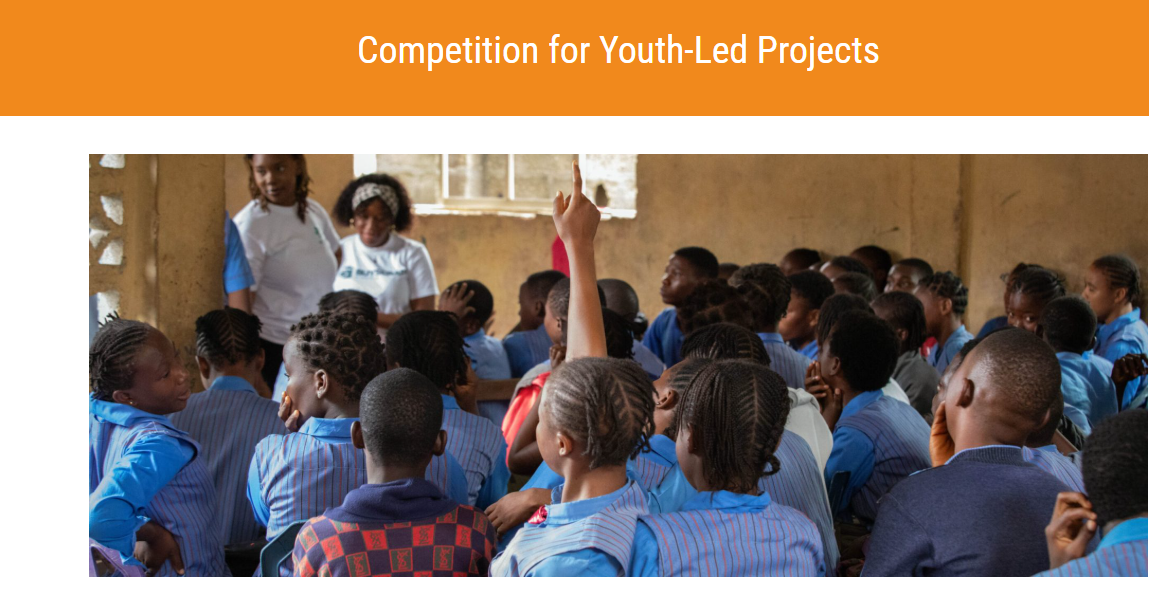
Competition for Youth-Led Projects 2026–2027 Opens: Win CHF 3,000 to Build Flood and Drought Resilience
@Led Projects 2026–2027 Opens: Win CHF 3,000 to Build Flood and Drought Resilience
Location
USA / Global
Work Mode
grant
Posted
about 2 hours ago
Beware of scams! When applying for jobs, you should NEVER have to pay anything. Learn about job scams.
Get jobs in your inbox
Join over 10,000 subscribers receiving our weekly newsletter.
You might also like
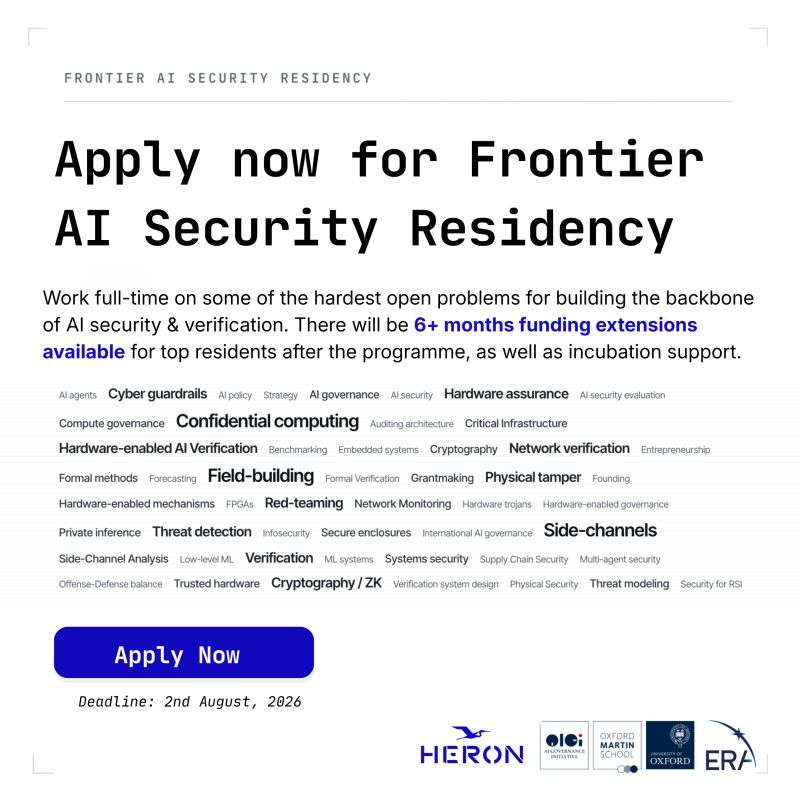
Frontier AI Security Residency 2026 in Cambridge, UK | Fully Funded 8-Week AI Security & Cybersecurity Programme
Week AI Security & Cybersecurity Programme
Belonging in Oakland: A Just City Cultural Fund 2026 Opens Applications for $300,000 Grants Supporting Artists and Community Organizations
Unknown

Max Planck Computer Science Research Internships 2026 – Fully Funded Global Opportunities
Fully Funded Global Opportunities

Africa-Europe Youth Academy Youth Spaces Grants 2026: West African Youth Organizations Can Apply for €10,000 Grants and Up to €40,000 in Phase 2
Europe Youth Academy Youth Spaces Grants 2026: West African Youth Organizations Can Apply for €10,000 Grants and Up to €40,000 in Phase 2
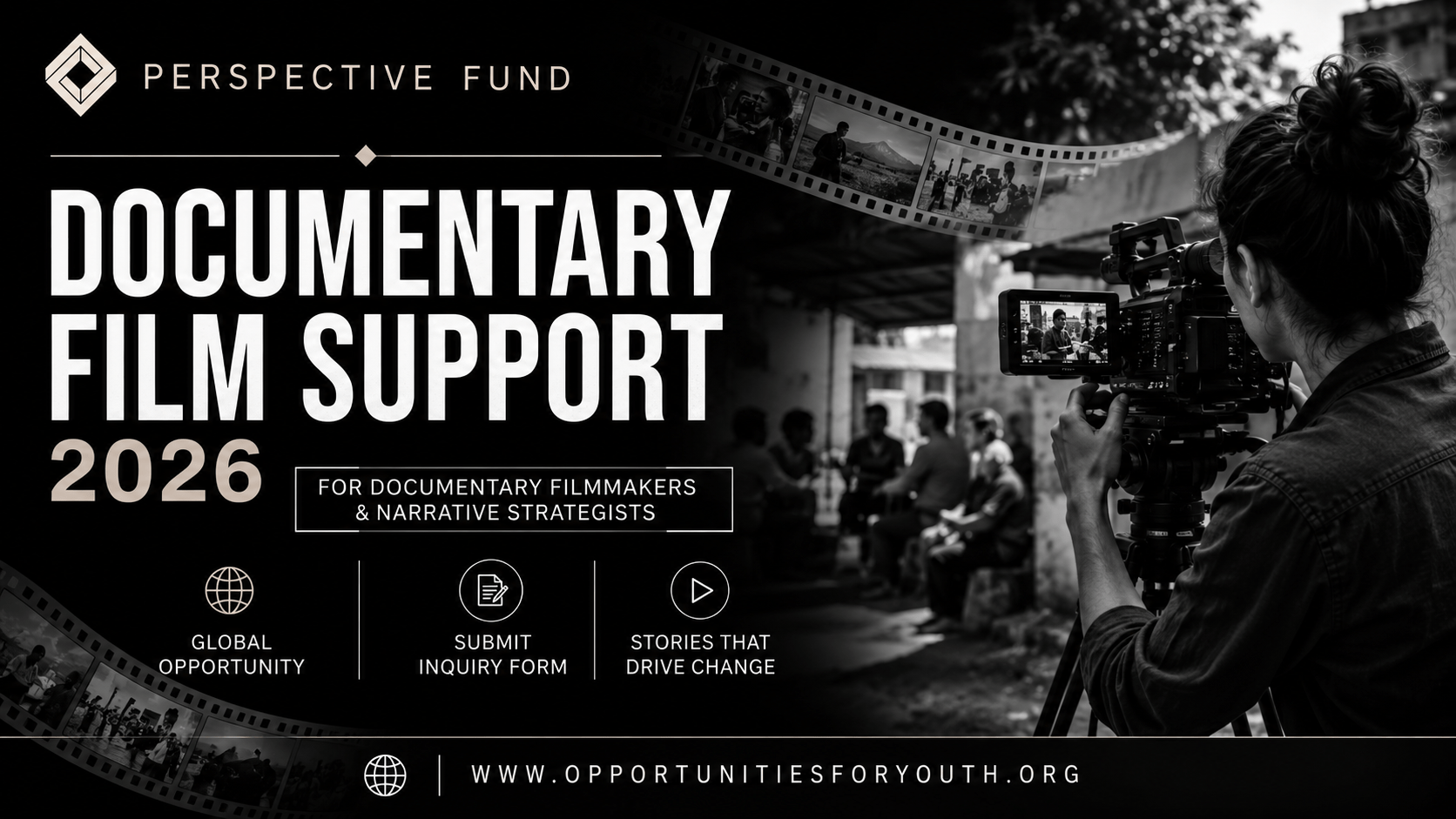
Perspective Fund Documentary Film Support 2026 | Funding for Documentary Filmmakers Worldwide
Unknown
British Academy and Alexander von Humboldt Foundation Open Applications for Knowledge Frontiers Symposium 2027 – Fully Funded Research Collaboration Opportunity
Unknown