








Grants for Justice 2026 – Mobilize Power Fund and Disability Frontlines Fund ·Mobilize Power Fund and Disability Frontlines Fund
Introduction
Movements for justice are not bound by borders—they are global, intersectional, and deeply rooted in the lived experiences of marginalized communities. Yet, funding opportunities often fail to reflect this reality. Many grassroots organizations, whether in the United States or abroad, struggle to access timely resources when crises strike or when their communities are excluded from traditional funding priorities.
This is where two transformative opportunities step in: the Mobilize Power Fund and the Disability Frontlines Fund (DFF). The Mobilize Power Fund is unique because it does not restrict eligibility by geography. Organizations in Africa, Asia, Europe, Latin America, North America, and Oceania can apply, provided they are responding to urgent, unanticipated incidents within the last six months. This global scope makes it a lifeline for movements facing sudden threats or opportunities, regardless of where they are located.
By contrast, the Disability Frontlines Fund (DFF) is region-specific, focusing on the United States and its territories. Eligible applicants include those based in the U.S., Puerto Rico, Guam, Northern Mariana Islands, U.S. Virgin Islands, and American Samoa. This geographic focus reflects DFF’s commitment to addressing systemic inequities within the U.S. context, while honoring the leadership of disabled communities.
Together, these funds illustrate two complementary approaches: one global, one regional. Both are united by a commitment to equity, resilience, and collective liberation.
Part I: The Mobilize Power Fund
1. Purpose and Vision
The Mobilize Power Fund is a rapid response grant designed to support gender justice organizations when faced with time-sensitive threats or opportunities. Unlike traditional funding streams that require long planning cycles, this fund prioritizes immediate action.
Key focus areas include:
- Rapid response mobilizations.
- Healing justice initiatives.
- Conflict resolution and transformation.
- Community accountability structures.
- Mutual aid networks.
- Direct actions.
- Emergency safety, security, and defense needs.
2. Why Rapid Response Matters
Movements often encounter unexpected challenges—policy changes, community crises, or threats to safety. The Mobilize Power Fund ensures that organizations can pivot quickly, safeguarding their work and communities.
3. Application Methods
Applicants can submit proposals through:
- Written applications.
- Video submissions.
- Phone interviews.
This flexibility ensures accessibility for organizations with varying capacities.
4. Eligibility and Prioritization
The fund prioritizes organizations that:
- Are responding to incidents within the last six months.
- Face unanticipated circumstances rather than planned events.
- Require immediate resources to sustain movement-building work.
Excluded categories:
- Budget shortfalls.
- Preplanned events.
- Ongoing programming.
Part II: The Disability Frontlines Fund (DFF)
1. Purpose and Vision
The Disability Frontlines Fund (DFF) addresses a historic gap in funding for disability justice organizing. Rooted in the 10 principles of disability justice, DFF recognizes the central role of disabled communities in collective liberation.
2. Defining the Frontlines
Frontlines are understood as spaces of resistance and resilience, where disabled communities have historically led transformative work. DFF supports initiatives in:
- Collective care and access.
- Mutual aid.
- Community self-determination.
- Intersectional praxis.
3. Funding Priorities
DFF prioritizes organizations and individuals who are:
- Rooted in and accountable to directly impacted communities.
- Led by Black, Indigenous, People of Color (BIPOC).
- Disabled, Deaf, hard of hearing, blind, Deafblind, chronically sick, neurodivergent, or mad.
- Youth under 35 years old.
4. Geographic Scope
Funding is available across:
- The United States.
- Puerto Rico.
- Guam.
- Northern Mariana Islands.
- U.S. Virgin Islands.
- American Samoa.
Part III: Comparative Analysis
| Feature | Mobilize Power Fund | Disability Frontlines Fund (DFF) |
|---|---|---|
| Focus | Rapid response for gender justice | Disability justice organizing |
| Priority | Unanticipated incidents (last 6 months) | BIPOC, disabled, youth-led communities |
| Application | Written, video, phone | Written applications |
| Geographic Scope | Not specified (movement-based) | U.S. + territories |
| Exclusions | Budget shortfalls, planned events | Not specified, but prioritizes accountability |
This comparison highlights how the two funds complement each other. The Mobilize Power Fund’s global scope ensures that organizations in Africa, Asia, Europe, and Latin America can access resources when crises arise. The Disability Frontlines Fund’s regional focus ensures that U.S.-based disabled communities, often excluded from mainstream philanthropy, receive targeted support. Together, they represent a dual model of funding: one expansive and international, the other localized and deeply embedded in specific communities.
Part IV: Application Strategies
To maximize competitiveness:
- Demonstrate urgency – Show how the incident is recent and unanticipated.
- Highlight community accountability – Emphasize grassroots involvement.
- Show sustainability – Explain how the project will continue beyond the grant.
- Include safeguarding policies – Especially for Mobilize Power Fund applications.
- Center marginalized voices – For DFF, prioritize disabled and BIPOC leadership.
Applicants should also consider including detailed narratives that illustrate the lived realities of their communities. For example, a gender justice organization applying to the Mobilize Power Fund might describe how a sudden policy change in their country has endangered women’s safety, requiring immediate mobilization. Similarly, a disability justice collective applying to DFF could highlight how disabled youth in Puerto Rico are organizing mutual aid networks in response to hurricanes, showing both urgency and accountability. Including case studies, testimonials, and community stories strengthens applications by grounding them in real-world impact.
Part V: Broader Impact
Both funds contribute to:
- Strengthening grassroots resilience.
- Promoting inclusivity in funding landscapes.
- Addressing systemic inequities.
- Empowering historically excluded communities.
The broader impact of these funds extends beyond immediate financial support. They shift the narrative around who deserves funding and why. By prioritizing marginalized communities, both funds challenge traditional philanthropy models that often favor large, well-established organizations. Instead, they recognize the power of small, grassroots groups to drive meaningful change. This redistribution of resources fosters equity in movement-building, ensuring that those most affected by injustice are also those most empowered to lead solutions.
Apply for the Mobilize Power Fund Grant HERE today!
Apply for the Disability Frontlines Fund Grant HERE today!
Frequently Asked Questions (FAQs)
Q1: Who can apply for the Mobilize Power Fund?
The Mobilize Power Fund is open to gender justice organizations globally. There are no country restrictions. Whether you are based in Kenya, India, Brazil, Canada, or any other country, you can apply if your organization is responding to an unanticipated incident within the last six months. The emphasis is on urgency and alignment with gender justice, not geography.
This means organizations in Kenya, India, Brazil, Canada, Germany, South Africa, or any other country can apply if they are responding to an unanticipated incident within the last six months. The emphasis is on urgency and alignment with gender justice, not geography. This global eligibility is particularly important because many funding opportunities are limited to specific regions, leaving grassroots organizations in the Global South underfunded. The Mobilize Power Fund bridges this gap by ensuring that movements everywhere can access resources when they need them most.
Q2: Who can apply for the Disability Frontlines Fund (DFF)?
The Disability Frontlines Fund is limited to the United States and its territories. Eligible applicants include organizations, groups, and individuals located in:
- United States
- Puerto Rico
- Guam
- Northern Mariana Islands
- U.S. Virgin Islands
- American Samoa
This geographic limitation ensures that resources are directed toward communities most impacted by systemic inequities in the U.S. disability justice landscape. It also reflects the fund’s mission to strengthen organizing capacity within American contexts, while centering accountability to disabled communities. By focusing on the U.S. and its territories, DFF acknowledges the unique challenges faced by disabled communities in these regions, including structural barriers, underfunding, and exclusion from mainstream grantmaking.
Applicants must also be rooted in disabled communities and accountable to directly impacted populations, particularly BIPOC, disabled, Deaf, blind, chronically sick, neurodivergent, and youth under 35.
Q3: Can individuals apply?
- Mobilize Power Fund: No, it is designed for organizations only.
- Disability Frontlines Fund: Yes, individuals can apply, provided they meet the eligibility criteria and are based in the U.S. or its territories.
Q4: Are these funds scholarships, fellowships, or jobs?
No. Both opportunities are grants. They provide financial resources to support organizing, mobilization, and justice work.
Q5: What is the deadline?
- Mobilize Power Fund: Rolling applications, but projects must respond to incidents within the last six months.
- Disability Frontlines Fund: Currently open, with no fixed deadline stated.
Q6: What makes a project competitive?
- Mobilize Power Fund: Demonstrating urgency, clear connection to gender justice, and strong community accountability.
- Disability Frontlines Fund: Showing accountability to disabled communities, centering BIPOC leadership, and being rooted in the U.S. or its territories.
Q7: Why is geographic eligibility important?
Geographic eligibility ensures that funds reach the communities they are designed to support.
The Mobilize Power Fund’s global reach reflects the universality of gender justice struggles, allowing organizations from any continent to apply. This inclusivity is vital because gender justice movements are diverse and context-specific, yet they share common challenges such as patriarchal violence, systemic inequality, and threats to safety. Meanwhile, the Disability Frontlines Fund’s U.S.-specific scope reflects its mission to address systemic inequities within American disability justice organizing. This distinction is critical: one fund empowers global movements, while the other strengthens regional organizing in the U.S. and its territories. Together, they demonstrate how funding can be both expansive and targeted, depending on the needs of the communities served.
Conclusion
The Mobilize Power Fund and the Disability Frontlines Fund (DFF) are more than financial opportunities—they are strategic interventions in the fight for justice. By resourcing organizations in moments of crisis and uplifting disabled communities historically excluded from funding, these grants embody the principles of equity, resilience, and liberation.
The Mobilize Power Fund’s global eligibility ensures that gender justice organizations anywhere in the world can access rapid response support. Whether in Nairobi, New Delhi, São Paulo, Berlin, or New York, organizations can apply if they are responding to urgent, unanticipated incidents. This universality makes it a cornerstone of global movement-building, ensuring that no matter where injustice arises, communities have the means to respond.
Meanwhile, the Disability Frontlines Fund’s regional focus on the U.S. and its territories ensures that disabled communities—particularly BIPOC and youth-led initiatives—receive the resources they need to thrive. By centering accountability and intersectionality, DFF strengthens the disability justice movement within the American context, while honoring the history of resistance that disabled communities have always embodied.
Together, these funds demonstrate that justice is both global and local. They remind us that while struggles may differ across geographies, the commitment to equity and liberation unites us all. For organizations seeking to strengthen their work, these grants are not just financial lifelines—they are pathways to building resilient, inclusive, and transformative movements.
Grants for Justice 2026 – Mobilize Power Fund and Disability Frontlines Fund
@Mobilize Power Fund and Disability Frontlines Fund
Location
USA / Global
Work Mode
grant
Posted
1 day ago
Beware of scams! When applying for jobs, you should NEVER have to pay anything. Learn about job scams.
Get jobs in your inbox
Join over 10,000 subscribers receiving our weekly newsletter.
You might also like
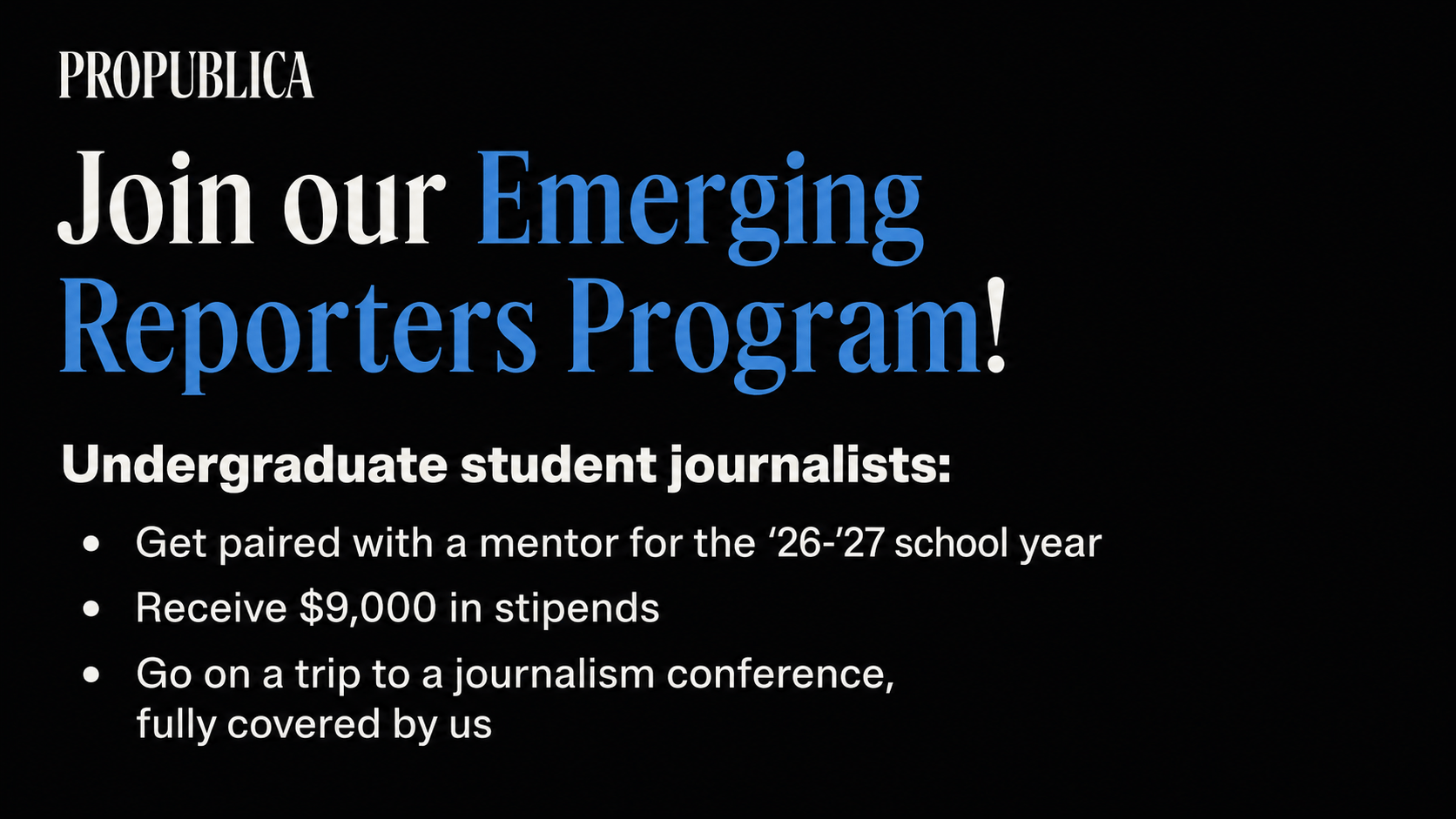
Emerging Reporters Program 2026–2027: Receive a $9,000 Stipend, Professional Mentorship, and Journalism Conference Support from ProPublica
2027: Receive a $9,000 Stipend, Professional Mentorship, and Journalism Conference Support from ProPublica

FIRE Biodiversity Funding Database: Discover Global Grants and Conservation Financing Opportunities for Biodiversity Projects
Unknown
Scottish Government Launches Global Solidarity Fund 2026: Apply for Grants of Up to £50,000 to Support International Development and Global Citizenship
Unknown
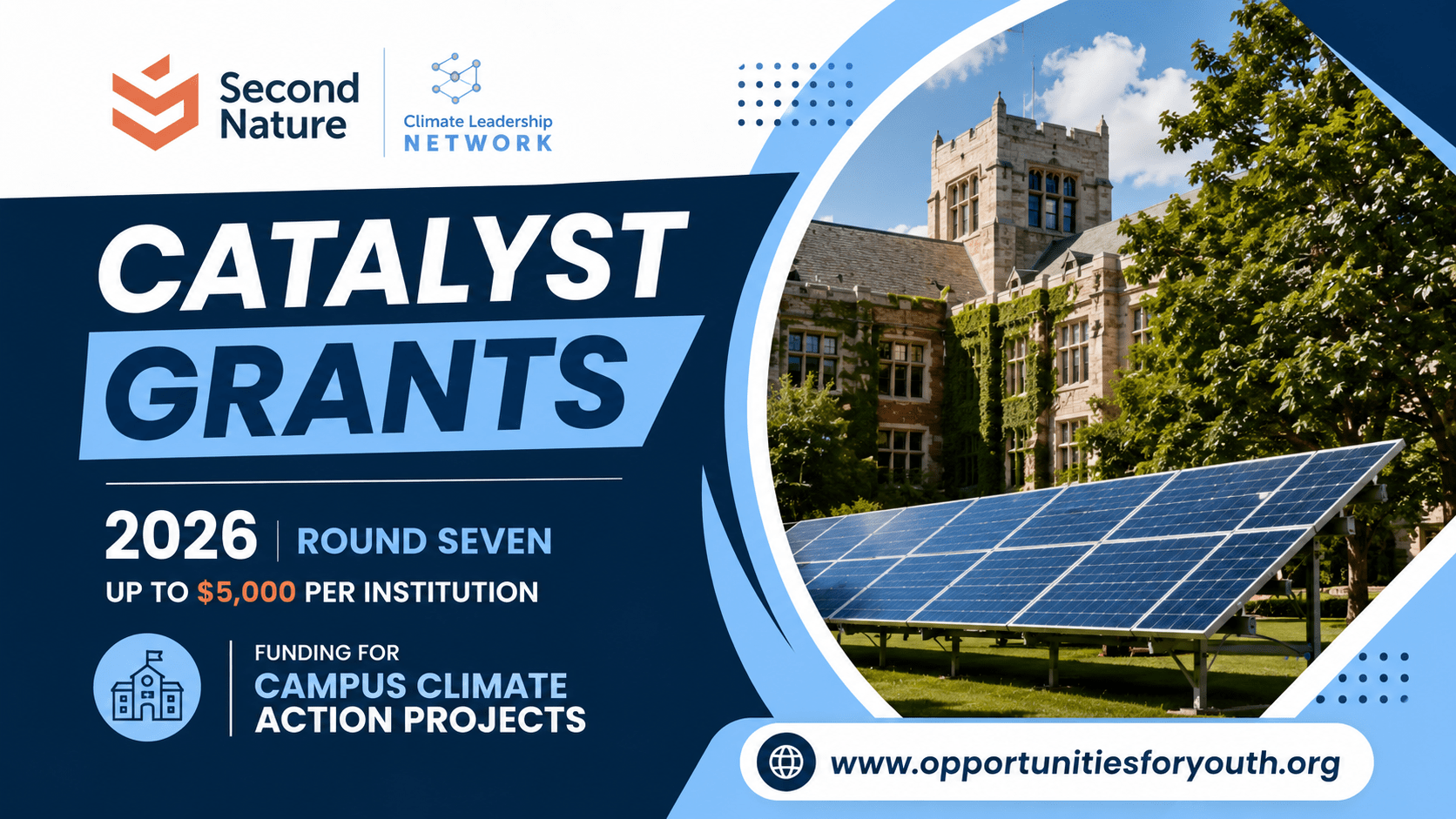
Catalyst Grants 2026: Receive Up to $5,000 to Accelerate Campus Climate Action Projects – Applications Now Open
Applications Now Open
Media Foundation for West Africa Opens Applications for Africa-China Relations Journalism Training – Apply By 30 July 2026
China Relations Journalism Training – Apply By 30 July 2026

U.S. Embassy Ghana Public Diplomacy Grants Program 2026: Apply for Grants of Up to $60,000 to Strengthen U.S.-Ghana Relations
Ghana Relations