
NASA Crew Radiation Effects Internship 2026 at Johnson Space Center @Johnson Space Center
The NASA Crew Radiation Effects Internship 2026 is a highly specialized research opportunity designed for students who are passionate about space science, human health, and advanced scientific research. Hosted at the Johnson Space Center in Houston, Texas, this internship provides participants with direct exposure to one of the most critical challenges in modern space exploration: understanding the impact of space radiation on human biology.
This program is part of NASA’s broader internship initiative aimed at equipping undergraduate and graduate students with practical, hands-on experience in real-world scientific investigations. It is particularly suited for individuals interested in space medicine, radiation biology, aerospace engineering, and related STEM disciplines.
Overview of the Internship
The internship, officially titled “Literature Review Internship on Human Health Effects of Space Radiation,” focuses on conducting an in-depth review of existing scientific research. Rather than laboratory experimentation, interns will engage in rigorous academic analysis of peer-reviewed studies, technical reports, and scientific publications.
Participants will work under the mentorship of experienced researchers and scientists, gaining insight into how scientific knowledge is compiled, evaluated, and used to inform future space missions.
Why This Internship Matters
Space radiation is one of the biggest barriers to long-duration human spaceflight. Unlike Earth, space environments expose astronauts to high-energy radiation from galactic cosmic rays and solar particle events. These forms of radiation can lead to:
- Increased cancer risk
- Cardiovascular complications
- Damage to the central nervous system
- Cognitive and neurological impairments
As NASA prepares for extended missions to Mars and prolonged stays aboard space stations, understanding and mitigating these risks is essential. This internship directly contributes to that mission by helping synthesize existing knowledge and identify research gaps.
Key Responsibilities
Interns selected for this program will undertake a wide range of research-focused tasks, including:
1. Scientific Literature Search
- Use databases such as PubMed, Scopus, and Google Scholar
- Identify peer-reviewed and high-impact research papers
- Apply strategic keyword searches related to space radiation and human health
2. Critical Evaluation of Research
- Analyze study methodologies and experimental designs
- Evaluate the credibility and relevance of scientific findings
- Assess objectivity, author expertise, and publication quality
3. Data Organization and Thematic Analysis
- Categorize research into major themes such as:
- Biological mechanisms of radiation damage
- Cancer and cardiovascular risks
- Neurological and cognitive effects
- Radiation mitigation strategies
4. Report Writing and Documentation
- Summarize key findings from selected studies
- Compile structured literature review reports
- Contribute to a research database or knowledge repository
Learning Outcomes and Benefits
This internship is designed to provide both academic and professional development. Participants will gain:
- Advanced research and analytical skills
- Hands-on experience in conducting systematic literature reviews
- Strong scientific writing and communication abilities
- Familiarity with academic databases and citation tools like Zotero and EndNote
- A deep understanding of space radiation and its biological effects
Additionally, this experience significantly strengthens applications for graduate school, research roles, and future opportunities within the aerospace and scientific communities.
Eligibility Criteria
Who Can Apply
This opportunity is open to:
- Undergraduate students (Junior and Senior level)
- Graduate students (Master’s and Doctoral levels)
Academic Background Requirements
Applicants should be enrolled in a STEM-related field, preferably:
- Biochemistry, Biophysics, or Molecular Biology
- Neuroscience or Neurobiology
- Biomedical or Bioengineering
- Physics
- Cognitive or Health Psychology
- Radiologic or Nuclear Technologies
Skills and Competencies
Ideal candidates should demonstrate:
- Strong research and analytical skills
- Experience with academic literature reviews
- Familiarity with scientific databases
- Proficiency in research tools (EndNote, Zotero preferred)
- Excellent written and verbal communication
- Ability to work independently and in teams
Citizenship Requirement
- Only United States citizens are eligible to apply
This is a strict requirement for NASA internships due to federal regulations.
Work Structure and Format
- Engagement Type: Full-time internship
- Format: In-person
- Location: Johnson Space Center, Houston, Texas
- Duration: Fall 2026 session
Interns will be expected to commit fully to the program and actively participate in research activities throughout the internship period.
How to Apply
Interested candidates must apply through the official NASA internship portal. Applicants should prepare:
- Academic transcripts
- Resume or CV
- Statement of interest
- Relevant research experience (if available)
Career Impact and Future Opportunities
Participation in this internship offers a strong foundation for careers in:
- Space science and exploration
- Aerospace medicine
- Radiation biology
- Academic and scientific research
- Government and policy advisory roles
The experience also provides networking opportunities with leading scientists and researchers, potentially opening doors to future collaborations or employment within NASA or related organizations.
Deadline
22nd May 2026
The NASA Crew Radiation Effects Internship 2026 is an exceptional opportunity for students seeking to contribute to one of the most pressing challenges in human space exploration. By focusing on the biological impact of space radiation, interns play a role in shaping safer and more sustainable space missions. For students passionate about science, research, and the future of humanity beyond Earth, this internship represents a significant step toward a meaningful and impactful career.
For more information visit here
For more global opportunities click here
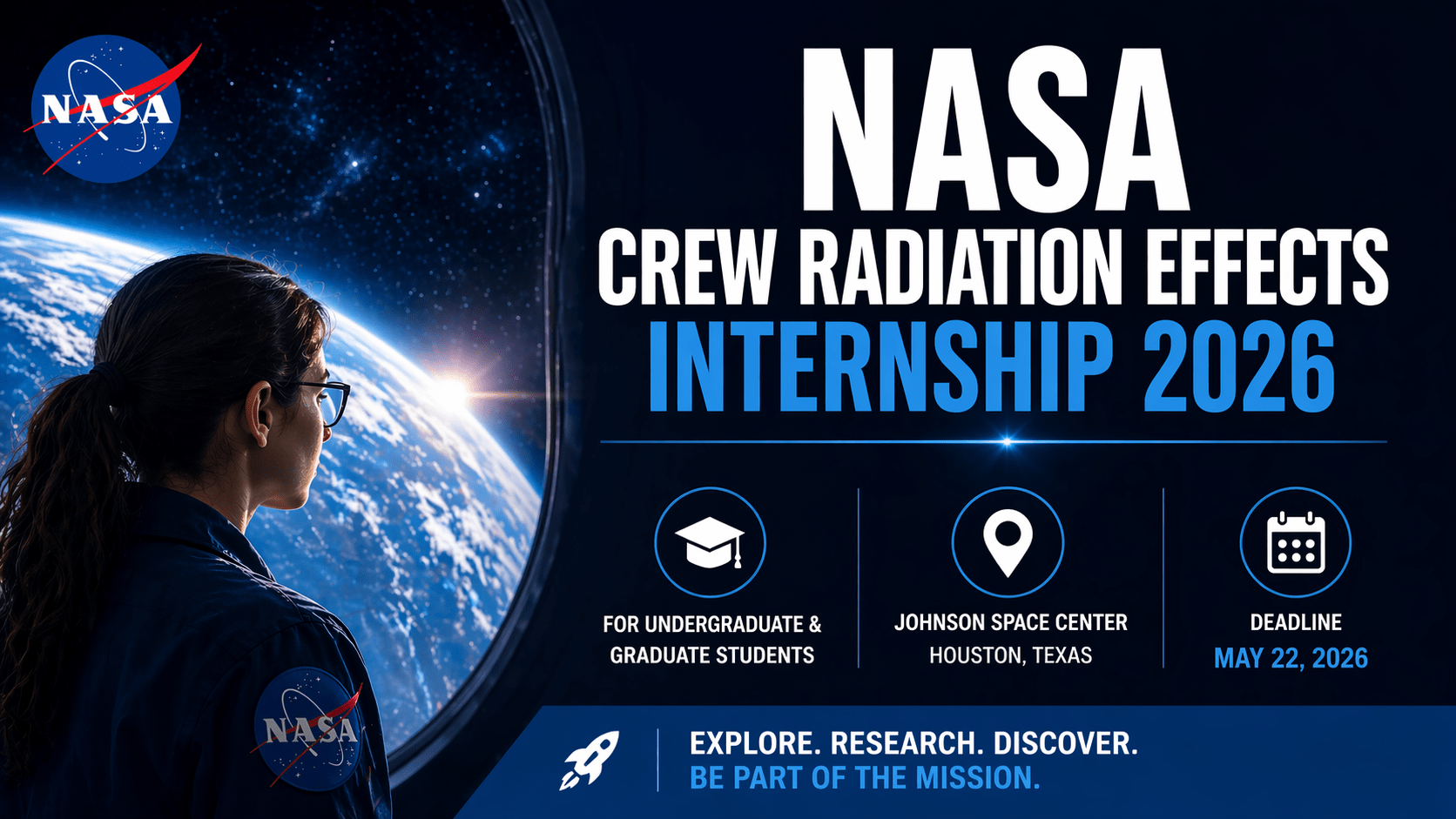
NASA Crew Radiation Effects Internship 2026 at Johnson Space Center
@Johnson Space Center
Location
Global
Work Mode
america
Posted
about 6 hours ago
Beware of scams! When applying for jobs, you should NEVER have to pay anything. Learn more.
Get jobs in your inbox
Subscribe to receive curated jobs and opportunities every week. No spam.
You might also like
Congressional Fellowship
Federation of American Scientists
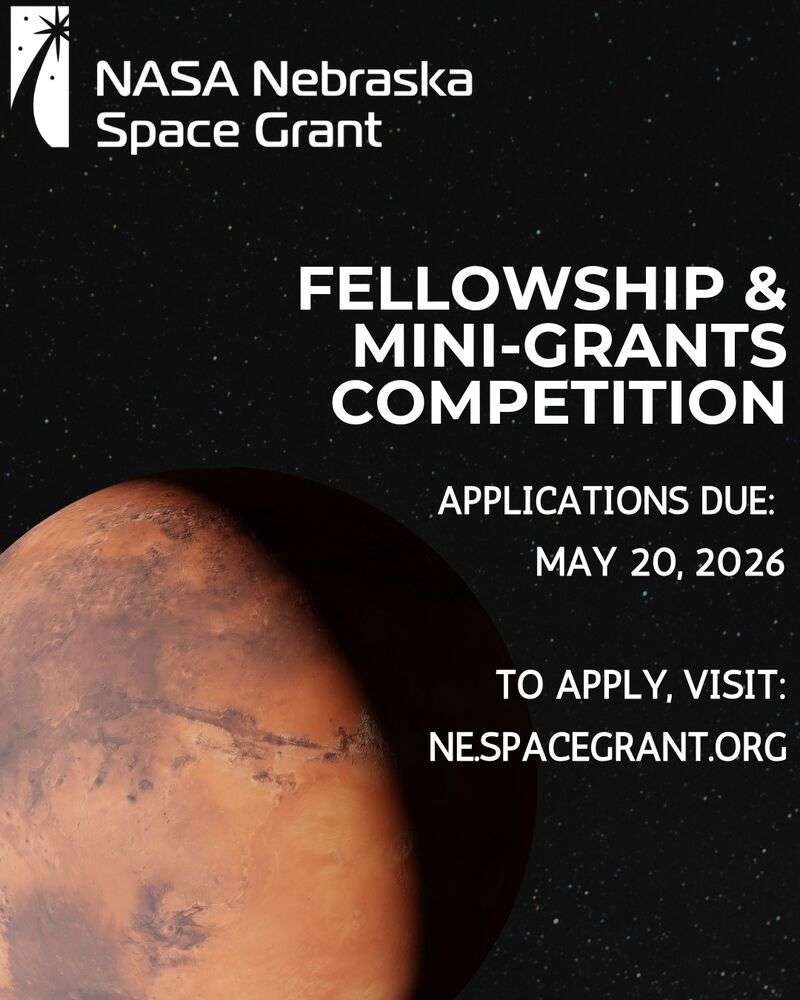
NASA Nebraska Space Grant Fellowship & Mini-Grants 2026: Funding for STEM Research and Workforce Development
NASA

Program Manager
Justice Conservation Fund

Global Investment Banking Summer Analyst
JPMorgan Chase
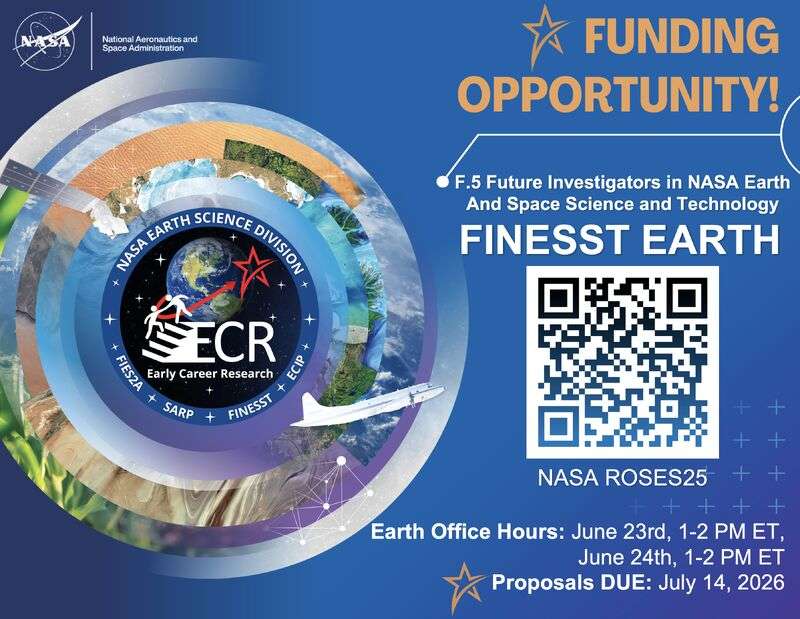
Research Grants for Graduate Students in Earth and Space Science
NASA
NASA Lifelines Fellowship Program 2026: Fully Funded Opportunity for Early-Career Scientists and Humanitarians to Drive Global Impact Using Earth Science
NASA