








Why Do Some City Communities Have Less Access to Nature? 2026/2027 University of Melbourne PhD Project Seeks Answers: Apply Now ·Unknown
Accessibility and Exposure to Biodiversity Among Underprivileged Communities in Cities
Urban biodiversity offers far more than attractive parks and green spaces—it can improve mental wellbeing, strengthen community health, reduce stress, and foster a deeper connection with nature.
Yet not everyone living in cities enjoys these benefits equally. A new Doctor of Philosophy (PhD) research opportunity at the University of Melbourne aims to investigate why underprivileged communities often have less access to biodiversity and how cities can become more inclusive and environmentally equitable.
Research Focuses on Biodiversity Access in Melbourne
The project, titled Accessibility and Exposure to Biodiversity Among Underprivileged Communities in Cities, will examine how people from disadvantaged urban communities experience biodiversity and the wellbeing benefits it provides.
Based in Melbourne, Australia, the research will combine:
- Social research methods
- Ecological analysis
- Spatial mapping and assessment
- Urban planning approaches
The study seeks to identify the current level of biodiversity accessibility across different communities and understand the factors that influence unequal access.
Why Biodiversity Matters for Everyday Life
Researchers highlight that biodiversity—the variety of living plants, animals, and ecosystems—plays an important role in supporting healthier communities.
Some of the recognised benefits include:
- Improved mental health through reduced stress and anxiety
- Better physical wellbeing
- Lower risks associated with disease spread
- Increased environmental awareness and education
- Stronger connections between people and natural environments
Despite these advantages, increasing urbanisation has gradually separated many city residents from regular contact with biodiversity.
Unequal Access Remains a Growing Challenge
According to the project summary, biodiversity-rich areas continue to exist in many cities, particularly within:
- Remnant vegetation patches
- Urban forests
- Nature reserves
- Public parks
- Other green spaces
However, previous research suggests these areas are not distributed equally.
Communities with greater socioeconomic advantages often have better access to quality green spaces, while disadvantaged neighbourhoods may experience limited exposure to biodiversity and the associated health and wellbeing benefits.
The research aims to better understand these inequalities and provide evidence that can support more equitable urban planning.
A Multidisciplinary Research Approach
The PhD project will bring together expertise from multiple disciplines to explore biodiversity accessibility from different perspectives.
The research will integrate:
- Human geography
- Ecology
- Urban and regional planning
- Ecological applications
This interdisciplinary approach is expected to provide a comprehensive understanding of how environmental, social, and spatial factors interact within urban settings.
PhD Opportunity Available
The research opportunity is available as a:
- Doctor of Philosophy (PhD)
Applicants will automatically be considered for a range of available scholarships, while some scholarship programs may require separate applications.
The anticipated project commencement date is:
- 1 February 2027
Experienced Academic Supervision
The project will be offered through the School of Agriculture, Food and Ecosystem Sciences within the Faculty of Science at the University of Melbourne.
The supervision team includes:
- Principal Supervisor: Marie C. Dade, School of Agriculture, Food and Ecosystem Sciences
- Internal Co-supervisor: Ilan Wiesel, School of Geography, Earth and Atmospheric Sciences
Their combined expertise spans ecology, urban planning, geography, and environmental research.
Research Fields Covered
The project contributes to several important research areas, including:
- Human geography
- Ecology
- Urban and regional planning
- Ecological applications
These fields support research aimed at creating healthier, more sustainable, and more equitable cities.
Why This Research Matters
As cities continue to expand, ensuring fair access to biodiversity is becoming an increasingly important public policy issue.
The findings from this research could help governments, planners, and communities:
- Improve urban biodiversity planning
- Reduce environmental inequalities
- Design greener neighbourhoods
- Enhance public health outcomes
- Increase opportunities for residents to experience nature regardless of socioeconomic background
By investigating the relationship between biodiversity, accessibility, and community wellbeing, the project seeks to generate evidence that supports more inclusive and resilient urban environments for future generations.
LEARN MORE & APPLY HERE
For more opportunities such as these please follow us on Facebook, Instagram, Twitter, LinkedIn and WPChannel
Disclaimer: Global South Opportunities (GSO) is not the organization offering this opportunity. For any inquiries, please contact the official organization directly. Please do not send your applications & CVs to GSO, as we are unable to process them. Due to the high volume of emails, we receive daily, we may not be able to respond to all inquiries. Thank you for your understanding.
JOIN GSO WHATSAPP CHANNEL NOW
Why Do Some City Communities Have Less Access to Nature? 2026/2027 University of Melbourne PhD Project Seeks Answers: Apply Now
@Unknown
Location
USA / Global
Work Mode
scholarship
Posted
2 days ago
Beware of scams! When applying for jobs, you should NEVER have to pay anything. Learn about job scams.
Get jobs in your inbox
Join over 10,000 subscribers receiving our weekly newsletter.
You might also like
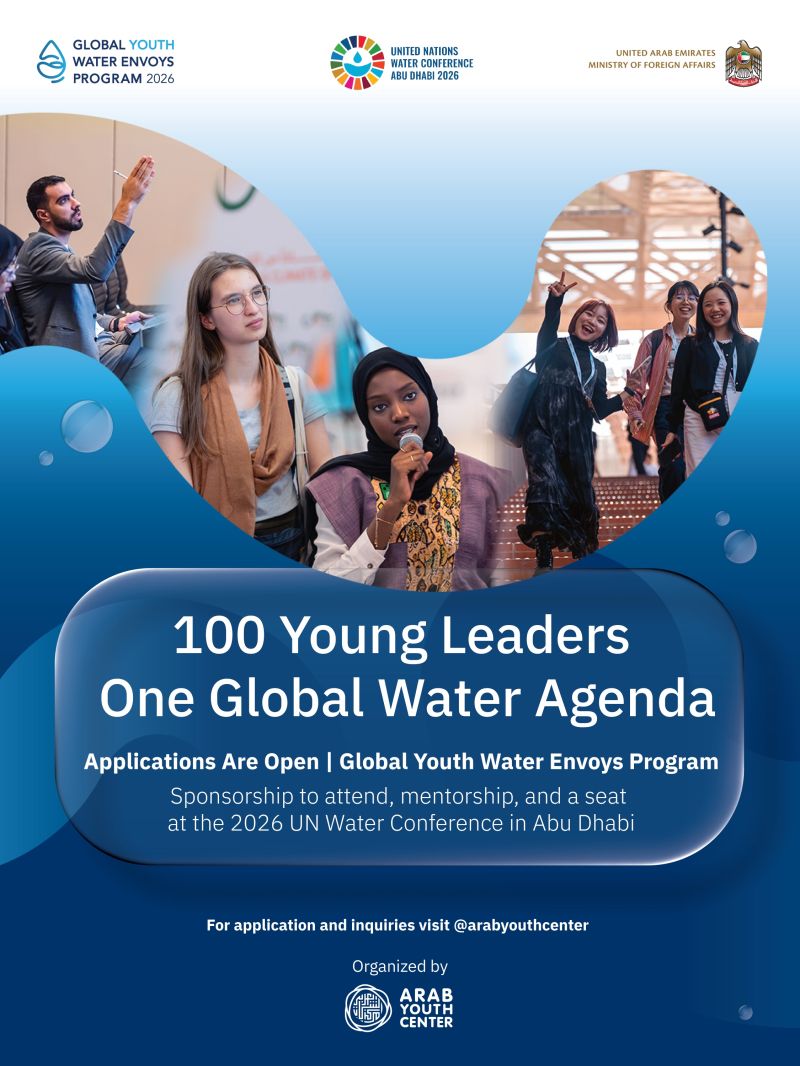
Global Youth Water Envoys Program Opens Global Call for 100 Young Leaders in Water and Climate Action: Apply Now
Unknown
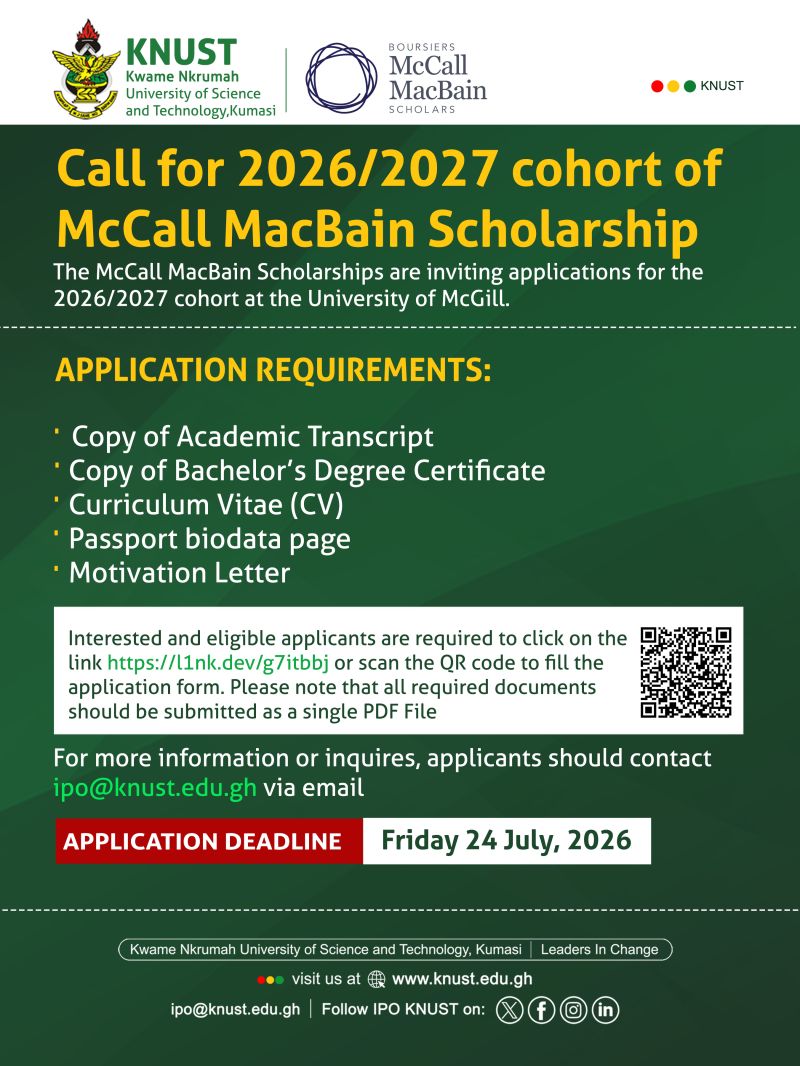
McCall MacBain Scholarship 2026/2027 Applications Now Open for Eligible Students
Unknown
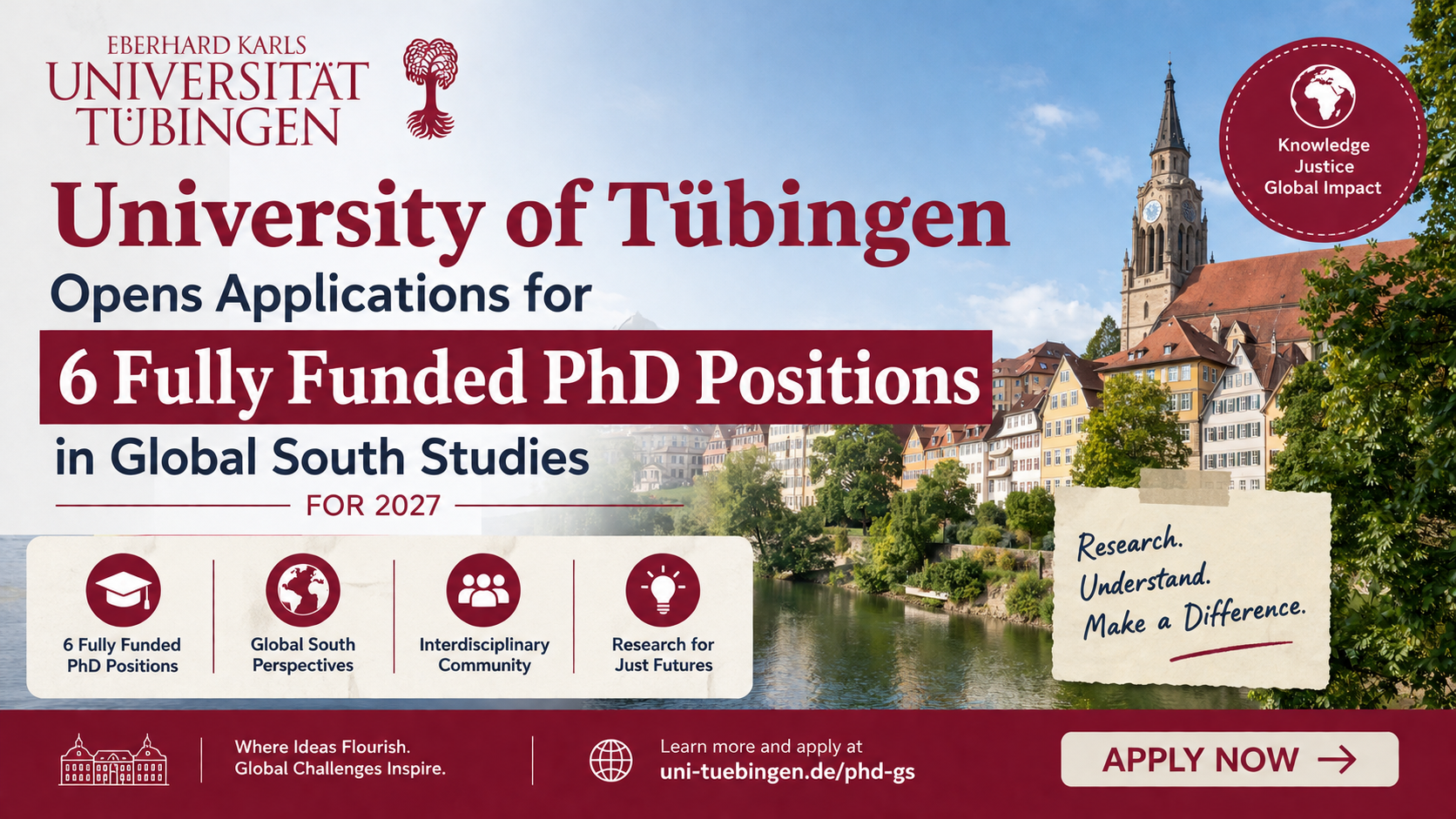
University of Tübingen Opens Applications for 6 Fully Funded PhD Positions in Global South Studies for 2027
Unknown
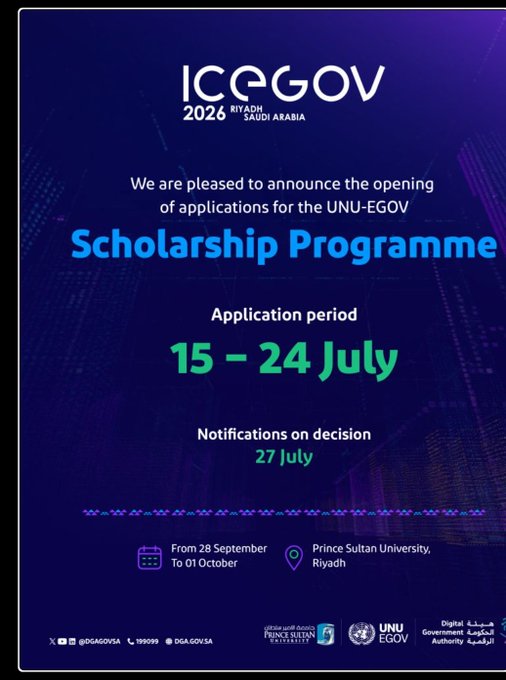
ICEGOV 2026 Opens Scholarship Applications for Authors Presenting Research in Digital Governance
Unknown

United Nations University-EGOV Scholarships 2026: Funding Opportunities for Emerging Country Researchers to Attend ICEGOV – Apply Now!
EGOV Scholarships 2026: Funding Opportunities for Emerging Country Researchers to Attend ICEGOV – Apply Now!

15 Fully Funded Southern African Science Service Centre for Climate Change and Adaptive Land Management (SASSCAL) -NUST PhD Scholarships Open for Southern Africa’s Future Water Research Leaders
NUST PhD Scholarships Open for Southern Africa’s Future Water Research Leaders