
Africa Extractives Media Fellowship 2026 @NewsWire Africa
Applications are now officially open for the second cohort of the Africa Extractives Media Fellowship (AEMF), an intensive six-month journalism capacity-building programme designed to strengthen extractives-sector reporting in Africa.
Organized by NewsWire Africa, the fellowship is aimed at empowering Ghanaian journalists with advanced reporting skills, investigative techniques, data journalism expertise, and in-depth knowledge of Africa’s extractive industries.
The fellowship addresses critical reporting gaps across sectors such as mining, oil and gas, climate transition, critical minerals, environmental governance, and revenue accountability.
Aspiring and practicing journalists in Ghana who are passionate about impactful storytelling, public accountability, and investigative reporting are encouraged to apply for this prestigious programme.
About the Africa Extractives Media Fellowship (AEMF)
The Africa Extractives Media Fellowship is a specialized journalism programme established by NewsWire Africa to improve the quality, depth, and impact of extractives-sector reporting across the African continent.
Africa’s extractive industries continue to shape economies, governance systems, environmental policies, and community livelihoods. However, reporting on these sectors often lacks technical depth, investigative rigor, and sustained public-interest focus.
The AEMF was created to bridge this gap by equipping journalists with:
- Specialized extractives-sector knowledge
- Data-driven reporting skills
- Investigative journalism techniques
- Ethical reporting practices
- Understanding of climate and environmental issues
- Policy and governance reporting expertise
The programme combines practical learning, mentorship, industry engagement, and hands-on reporting experiences to strengthen journalism that drives accountability and informed public discourse.
Programme Duration and Structure
The fellowship is a:
Six-Month In-Person Journalism Fellowship
Participants selected for Cohort II will undergo intensive training, mentorship, reporting assignments, and collaborative learning activities focused on Africa’s extractive sectors.
The programme creates opportunities for fellows to engage directly with:
- Industry leaders
- Policymakers
- Civil society organizations
- Academic experts
- Environmental advocates
- Governance institutions
Key Areas of Focus
The fellowship covers several important themes within the extractives industry.
Major Focus Areas Include:
1. Mining, Oil and Gas, and Green Minerals
Participants will gain deeper understanding of:
- Resource extraction systems
- Energy industries
- Critical minerals
- Green transition resources
- Mining sector developments
2. Revenue Flows and Governance
Fellows will explore:
- Resource revenue management
- Public accountability
- Transparency systems
- Governance structures
- Economic policy implications
3. Environmental Justice and Community Impact
The programme also focuses on:
- Environmental protection
- Community displacement
- Ecological sustainability
- Social justice
- Local development challenges
4. Climate Transition and Critical Minerals
Participants will examine:
- Africa’s role in global energy transition
- Critical minerals demand
- Climate adaptation
- Sustainable resource governance
5. Ethical, Data-Driven, and Investigative Journalism
The fellowship strengthens participants’ abilities in:
- Investigative storytelling
- Fact-checking
- Data analysis
- Ethical journalism practices
- Evidence-based reporting
Why the Fellowship Matters
Africa’s extractive industries generate billions in revenue and influence major development decisions, yet many critical stories remain underreported.
This fellowship helps journalists build the expertise needed to investigate and explain complex issues such as:
- Mineral revenue distribution
- Corporate accountability
- Environmental degradation
- Illegal mining activities
- Climate-related resource transitions
- Community rights
- Public policy failures
- Investment and governance systems
By strengthening journalism in these areas, the fellowship contributes to greater transparency, accountability, and informed public engagement.
Fellowship Impact So Far
The inaugural Ghana Cohort (2025–2026) already demonstrated significant impact through high-quality reporting produced by fellows.
Published Impact Stories Included:
- Coverage of Ghana’s sliding-scale royalty framework
- Reports on investor concerns and industry responses
- Historical mineral revenue analysis
- Governance and accountability investigations
These stories were featured by major Ghanaian media outlets including:
- Citi Newsroom
- MyJoyOnline
- GhanaWeb
- The High Street Journal
Fellowship Partners and Institutional Support
The programme is supported by a strong network of national and international institutions, including:
- Australian High Commission
- Ghana Chamber of Mines
- University of Ghana Business School
- University of Mines and Technology
- Petroleum Hub Development Corporation
- CDD-Ghana
- Digital Earth Africa
- WANEP
- National Petroleum Authority
- Public Interest & Accountability Committee (PIAC)
- Tema Oil Refinery (TOR) Ltd.
- Ayatickets
The inaugural cohort was launched at the residence of the Australian High Commissioner with participation from government officials, diplomats, industry leaders, academia, and civil society stakeholders.
Benefits of Joining the Fellowship
Selected fellows will benefit from a wide range of professional development opportunities.
Fellows Will Gain:
- Advanced investigative journalism skills
- Specialized extractives-sector knowledge
- Data journalism experience
- Networking opportunities
- Mentorship from experts
- Exposure to policy and governance discussions
- Access to industry stakeholders
- Portfolio-building opportunities
- Increased professional visibility
The fellowship also offers participants opportunities to produce impactful stories capable of shaping national conversations and influencing policy debates.
Who Can Apply?
The programme is primarily designed for:
Ghanaian Journalists
This includes journalists working in:
- Print media
- Online journalism
- Television
- Radio
- Multimedia storytelling
- Investigative reporting
Applicants interested in:
- Extractives reporting
- Environmental journalism
- Climate reporting
- Governance journalism
- Business and economic reporting
are strongly encouraged to apply.
Ideal Candidate Profile
Strong applicants are likely to demonstrate:
- Passion for public-interest journalism
- Interest in accountability reporting
- Curiosity about extractive industries
- Commitment to ethical journalism
- Willingness to participate fully in the six-month programme
- Strong storytelling ability
- Interest in climate and sustainability issues
Application Deadline
Applications for Cohort II close on:
Monday, 8 June 2026 at 23:59 GMT
Applicants are encouraged to submit early before the deadline.
How to Apply
Interested applicants should apply through the official AEMF Fellowship Portal.
Click Here for more and to apply
Why Journalists Should Apply
The Africa Extractives Media Fellowship offers a rare opportunity for Ghanaian journalists to gain highly specialized reporting expertise in one of Africa’s most important sectors.
The programme helps journalists:
- Strengthen investigative reporting skills
- Build expertise in extractives governance
- Produce impactful public-interest stories
- Connect with industry experts and policymakers
- Improve data and environmental reporting capacity
- Contribute to accountability and transparency in Africa’s resource sectors
For journalists passionate about uncovering impactful stories and shaping public conversations around natural resources, governance, and sustainability, the AEMF Fellowship represents a valuable career-building opportunity.
Click here for more global fellowship opportunities
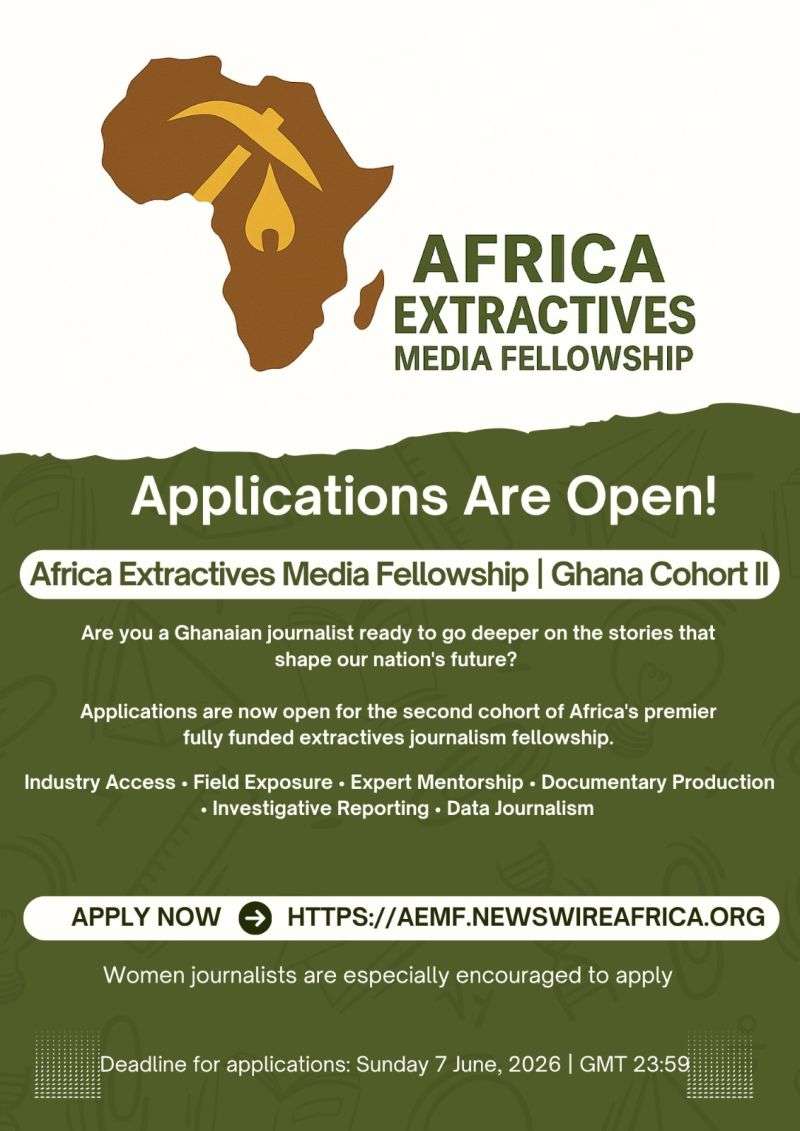
Africa Extractives Media Fellowship 2026
@NewsWire Africa
Location
Global
Work Mode
africa
Posted
3 days ago
Beware of scams! When applying for jobs, you should NEVER have to pay anything. Learn about job scams.
Get jobs in your inbox
Join over 10,000 subscribers receiving our weekly newsletter.
You might also like

Quantitative Research Assistant
University of Oxford

Investment Support Officer
Food and Agriculture Organization of the United Nations
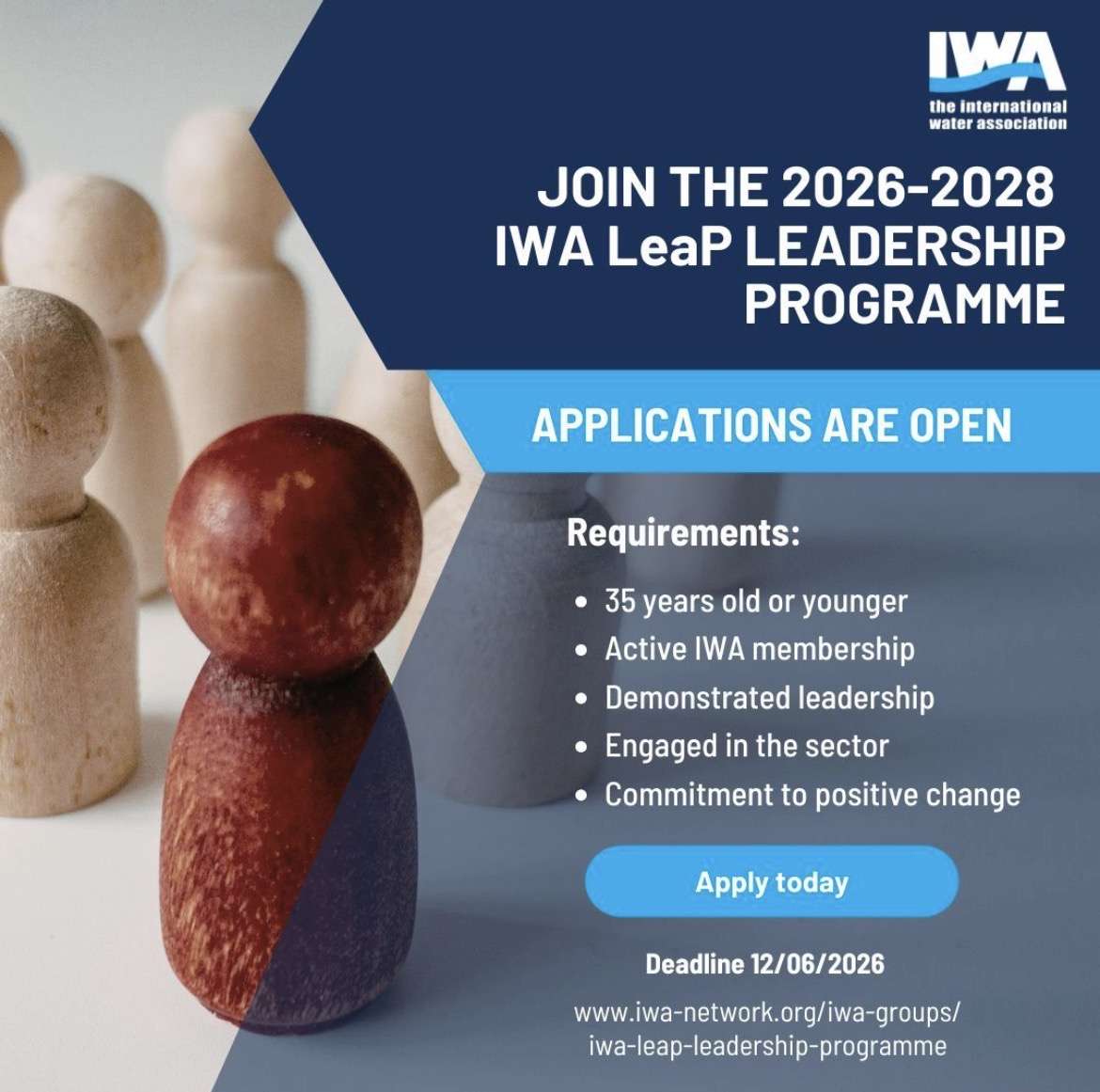
LeaP Leadership Programme for Young Water Professionals
International Water Association

Youth Impact Research Manager (South Africa) — Full Website Article, Social Post, Opportunity Category & Eligibility
Full Website Article, Social Post, Opportunity Category & Eligibility
DDC x TrygFonden Fellowship Program
Digital Democracy Centre at the University of Southern Denmark
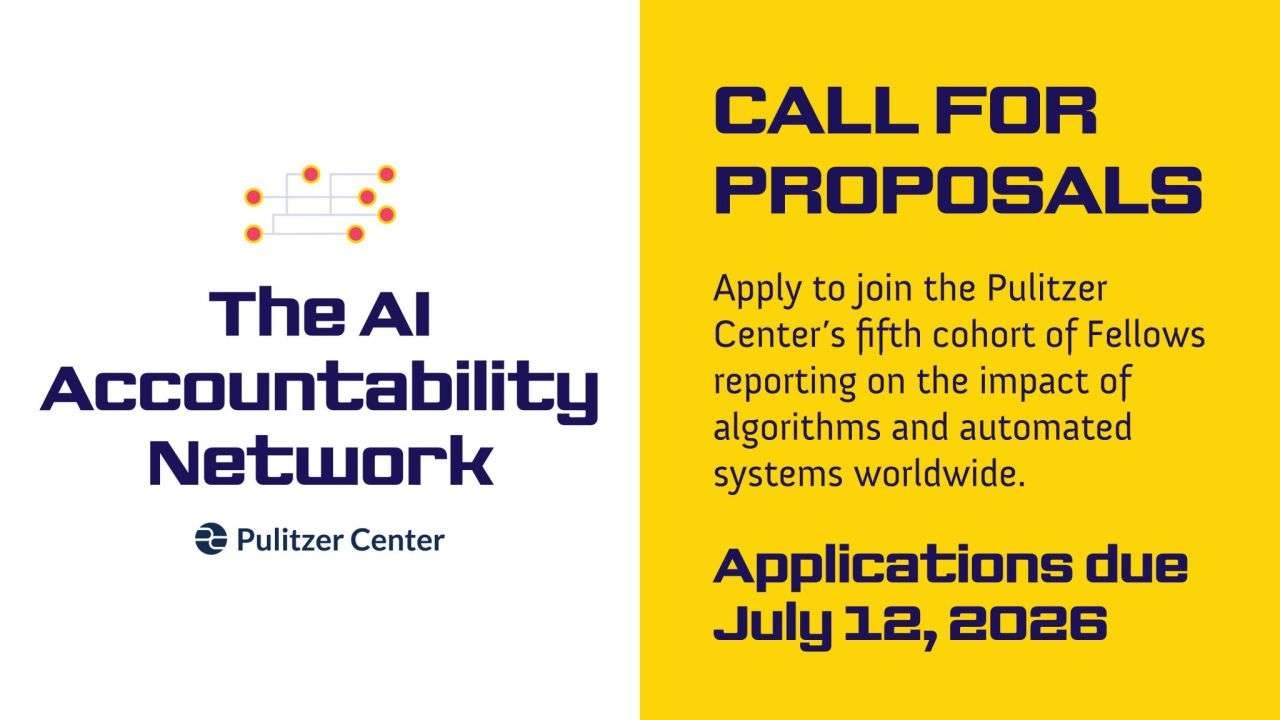
Pulitzer Center Announces Applications Open for the 2026–2027 AI Accountability Fellowships
2027 AI Accountability Fellowships