








African Union Opens Call for National Convenors for the 2nd Egumeni Dialogue: Building a Resilient Africa through Accelerated Women Financial and Economic Inclusion ·Unknown
The African Union Commission (AUC), through its Women, Gender and Youth Directorate (AUC-WGYD), has officially launched an Open Call for National Convenors to organize National and Local Consultations for the 2nd Egumeni Dialogue. This important initiative seeks to strengthen women’s financial and economic inclusion across Africa by bringing together women-led organizations, civil society, government institutions, financial institutions, researchers, and development partners to shape policies that will influence Africa’s economic future.
Organizations with experience in leading national dialogues, facilitating stakeholder engagement, and advancing women’s economic empowerment are invited to submit proposals to become officially recognized National Consultation Leads.
The selected organizations will play a vital role in ensuring that women’s voices, experiences, challenges, and recommendations directly contribute to continental policy discussions during the 2nd Egumeni Dialogue, scheduled for October 2026.
Application Deadline: 14 August 2026.
About the African Union’s 2nd Egumeni Dialogue
The African Union recognizes that women’s financial and economic inclusion is essential for achieving sustainable development across the continent.
This commitment aligns with several major African policy frameworks, including:
- Agenda 2063: The Africa We Want
- The Maputo Protocol on the Rights of Women in Africa
- The African Continental Free Trade Area (AfCFTA) Protocol on Women and Youth in Trade
- The African Union Strategy for Gender Equality and Women’s Empowerment (GEWE Strategy)
- The African Women’s Decade on Financial and Economic Inclusion (2020–2030)
- The Women and Youth Financial and Economic Inclusion (WYFEI 2030) Initiative
These initiatives collectively recognize that women are central to Africa’s economic growth and social development.
Women across Africa serve as:
- Entrepreneurs
- Farmers
- Traders
- Innovators
- Professionals
- Community leaders
- Caregivers
- Small business owners
Despite these contributions, millions continue to face barriers that limit their ability to fully participate in economic activities.
These barriers include:
- Limited access to finance
- Restricted ownership of productive assets
- Limited access to markets
- Inadequate digital technologies
- Land ownership challenges
- Underrepresentation in leadership
- Limited social protection
The African Union further notes that these challenges disproportionately affect:
- Young women
- Rural women
- Women with disabilities
- Refugee women
- Internally displaced women
- Women working in the informal economy
What is the Egumeni Dialogue?
The Egumeni Dialogue is a continental platform established by the African Union in 2025 to advance:
- Policy dialogue
- Strategic partnerships
- Collective action
- Evidence-based policymaking
- Women’s empowerment
- Gender equality
Its objective is to identify practical solutions that remove structural barriers preventing women and girls from fully participating in Africa’s economic transformation.
A defining feature of the dialogue is its emphasis on ensuring that grassroots voices shape regional, national, and continental policies.
Rather than developing policies from the top down, the African Union seeks recommendations that originate from women and communities across Africa.
Purpose of the National and Local Consultations
The National and Local Consultations form one of the most important components of the 2nd Egumeni Dialogue.
These consultations are intended to provide an inclusive platform where women from different backgrounds can:
- Discuss current economic opportunities
- Identify barriers preventing financial inclusion
- Share local experiences
- Recommend policy solutions
- Highlight successful community initiatives
- Influence continental policy outcomes
Importantly, the recommendations generated from every participating country will directly inform:
- Discussions during the continental dialogue
- Official declarations
- Policy recommendations
- Future investment priorities
- Continental strategies for women’s economic empowerment
Objectives of the National Consultations
The consultations aim to achieve several important objectives.
1. Generate National Evidence
Organizations will collect practical evidence regarding the current state of women’s financial and economic inclusion.
This includes identifying:
- Existing opportunities
- Ongoing challenges
- National priorities
- Emerging trends
2. Identify Barriers
Participants will examine obstacles affecting women’s ability to access:
- Finance
- Markets
- Technology
- Productive resources
- Entrepreneurship opportunities
- Decent employment
3. Document Successful Practices
Consultations should showcase:
- Innovative government policies
- Community-led initiatives
- Successful development programmes
- Effective financial inclusion models
- Entrepreneurship support programmes
4. Facilitate Multi-Stakeholder Dialogue
Convenors will create opportunities for collaboration among:
- Governments
- Financial institutions
- Private sector actors
- Women’s organizations
- Development partners
5. Develop Country-Specific Recommendations
Every consultation should conclude with actionable recommendations tailored to national contexts while contributing to the African Union’s continental policy agenda.
Expected Outcomes
Each National Consultation is expected to produce meaningful outputs, including:
- A comprehensive overview of women’s financial and economic inclusion
- Documentation of innovative and scalable solutions
- Policy recommendations
- Stronger national partnerships
- A detailed Consultation Report summarizing:
- discussions
- recommendations
- priority actions
These reports will become official contributions to the 2nd Egumeni Dialogue.
Who Can Apply as National Convenors?
The African Union invites expressions of interest from organizations with demonstrated experience in organizing inclusive national dialogues.
Eligible organizations include:
- Women-led organizations
- Women’s networks
- Civil society organizations
- Business associations
- Research institutions
- Social enterprises
- Other eligible organizations experienced in multi-stakeholder engagement
Role of Selected National Convenors
Successful organizations will receive official recognition as National Consultation Leads.
They will independently organize national consultations while coordinating closely with the African Union Commission.
Responsibilities include:
- Planning and organizing consultations
- Coordinating logistics
- Providing technical support
- Supporting consultation financing
- Engaging stakeholders
- Facilitating inclusive discussions
- Sharing consultation outcomes
- Nominating one representative to attend the continental Egumeni Dialogue
The African Union Commission and its partners will sponsor the participation of one representative from each National Consultation at the continental event.
Who Should Participate in the National Consultations?
The consultations should involve a broad cross-section of stakeholders, including:
- Women entrepreneurs
- Business owners
- Women farmers
- Agricultural cooperatives
- Women’s rights organizations
- Economic justice organizations
- Young women entrepreneurs
- Innovators
- Government representatives
- Public institutions
- Banks
- Financial institutions
- Microfinance organizations
- Fintech companies
- Chambers of commerce
- Private sector associations
- Development partners
- Philanthropic organizations
- Researchers
- Academics
- Policy experts
- Traditional leaders
- Community leaders
- Faith leaders
- Women with disabilities
- Organizations representing marginalized groups
- Rural women leaders
- Urban women leaders
Consultation Formats
Organizations may conduct consultations using:
- Physical meetings
- Virtual meetings
- Hybrid formats combining both approaches
Proposal Requirements
Interested organizations must submit a proposal of no more than two pages outlining:
- Organizational profile
- Relevant experience
- Proposed consultation methodology
- Stakeholder engagement strategy
- Inclusion strategy for rural, urban, and marginalized women
- Proposed implementation timeline
- Communication and visibility plan
- Brief budget indicating available resources and requested support
Selection Criteria
Priority will be given to organizations demonstrating:
- Strong experience in women’s leadership
- Expertise in financial inclusion
- Economic empowerment initiatives
- Experience facilitating policy dialogues
- Capacity to mobilize stakeholders
- Strong national partnerships
- Commitment to evidence-based policymaking
- Ability to independently organize consultations
- Geographic, linguistic, and regional diversity across Africa
Responsibilities After Selection
Selected National Convenors must:
- Organize one National Consultation.
- Engage diverse stakeholders.
- Facilitate inclusive discussions.
- Share consultation outcomes through communication platforms.
- Nominate one representative to participate in the continental dialogue.
Important Timeline
Applicants should note the following dates:
- Launch of Call: 28 July 2026
- Application Deadline: 14 August 2026
- Notification of Selected National Convenors: 18 August 2026
- National Dialogue Period: August–September 2026
- Submission of National Reports: 30 September 2026
- 2nd Egumeni Dialogue: 19–21 October 2026
How to Apply
Interested organizations should submit their applications electronically using the subject line:
Application – National Convenor – [Country Name]
Applications must include:
- Proposal (maximum two pages)
- Organizational profile
- Certificate of registration (where applicable)
- Contact details of the lead focal person
Applications should be submitted via email to:
For enquiries:
Organizations Strongly Encouraged to Apply
The African Union particularly encourages applications from:
- Women-led organizations and networks
- Young women-led organizations
- Rural and grassroots movements
- Organizations representing women with disabilities
- Refugee and migrant women-led initiatives
Conclusion
The African Union’s Open Call for National Convenors presents a significant opportunity for organizations committed to advancing women’s financial and economic inclusion to influence continental policymaking. By leading National and Local Consultations, selected organizations will contribute directly to shaping recommendations that support women’s economic empowerment across Africa.
Through inclusive dialogue, evidence-based recommendations, and strong partnerships, the 2nd Egumeni Dialogue seeks to build a more resilient, inclusive, and economically empowered Africa where women have greater access to finance, markets, technology, leadership opportunities, and sustainable livelihoods. Organizations with the expertise and commitment to convene these important consultations are encouraged to submit their applications before the 14 August 2026 deadline.
Visit the OFY website for more Grant opportunities.
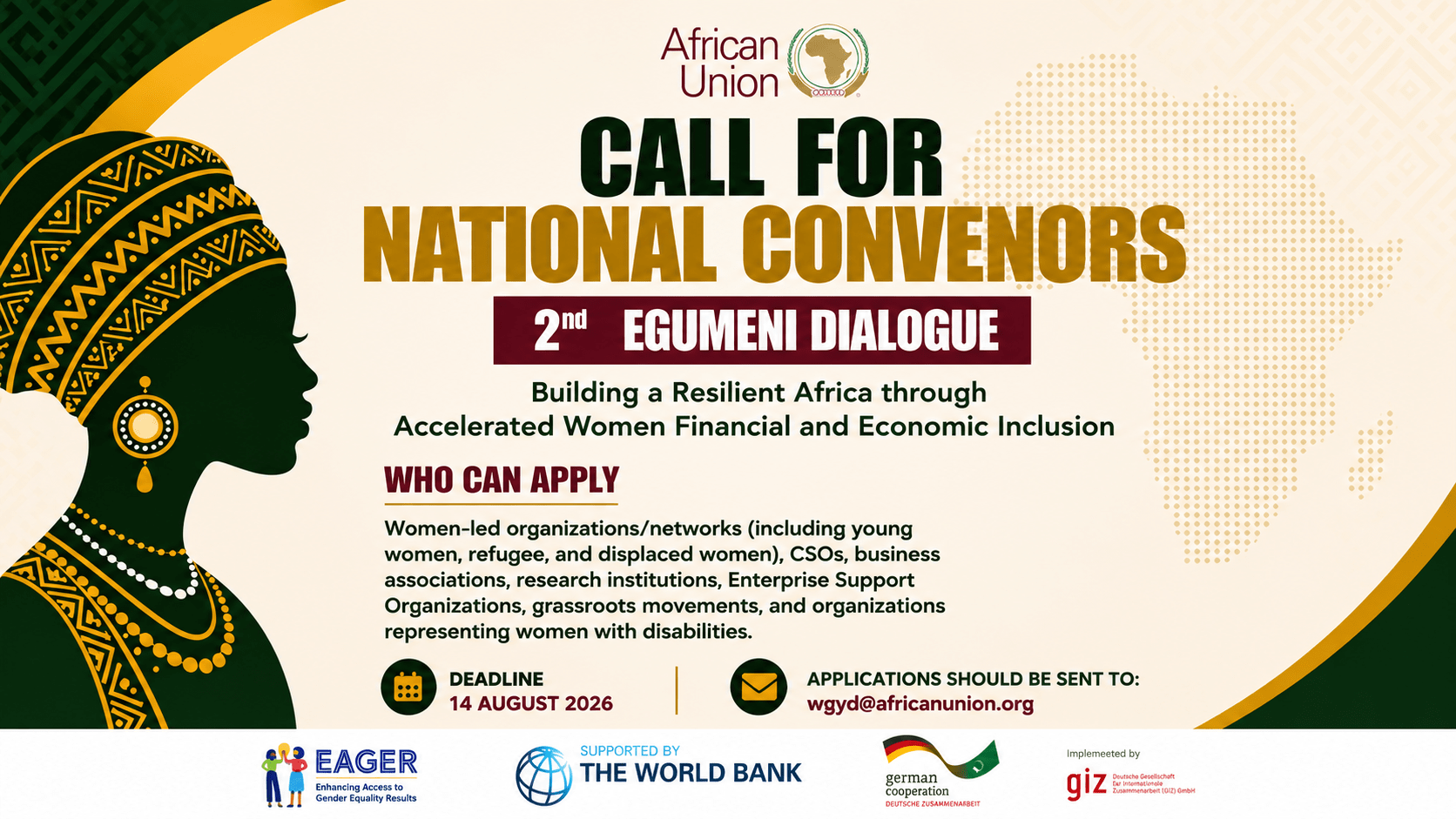
African Union Opens Call for National Convenors for the 2nd Egumeni Dialogue: Building a Resilient Africa through Accelerated Women Financial and Economic Inclusion
@Unknown
Location
USA / Global
Work Mode
grant
Posted
about 3 hours ago
Beware of scams! When applying for jobs, you should NEVER have to pay anything. Learn about job scams.
Get jobs in your inbox
Join over 10,000 subscribers receiving our weekly newsletter.
You might also like

CAPSHA South-South Collaboration Innovation Pitch Challenge 2026: Up to USD 15,000 Grants for Innovative Agricultural Capacity-Sharing Partnerships
South Collaboration Innovation Pitch Challenge 2026: Up to USD 15,000 Grants for Innovative Agricultural Capacity-Sharing Partnerships
SFU Climate Innovation Seed Funds 2026: Up to $100,000 Available to Advance Community-Centred Climate Research and Innovation
Centred Climate Research and Innovation
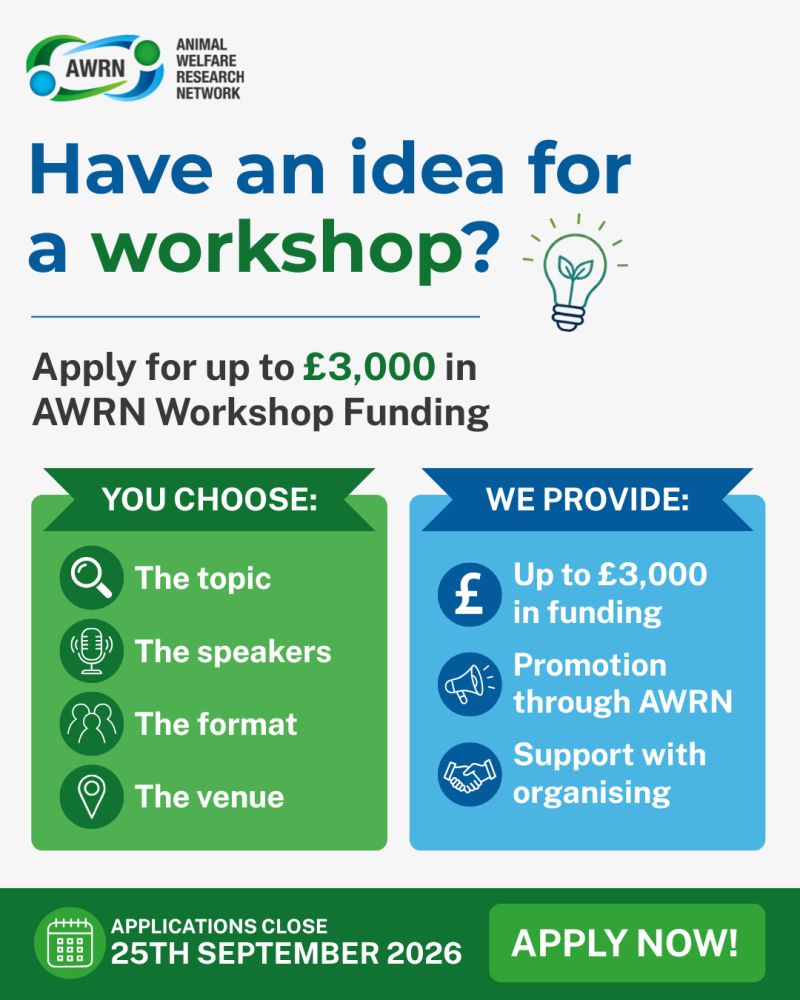
AWRN Workshop Funding 2026: Apply for Up to £3,000 to Organize Animal Welfare Research Workshops
Unknown

Education Labour Relations Council: Internship Programme 2026
Unknown

COP31 Call for Proposals: Submit Your Climate Research to the Evidence for Climate Action (E4CA) Program Before 31 August 2026
Unknown

Gates Foundation Grand Challenges 2026: Up to US$500,000 for AI-Enabled Family Planning Solutions in Sub-Saharan Africa
Enabled Family Planning Solutions in Sub-Saharan Africa