
Call for Proposals Manager @UN Women
The United Nations Entity for Gender Equality and the Empowerment of Women (UN Women) has launched a major Call for Proposals (CFP) under the Spotlight Initiative Africa Regional Programme (SIARP) 2.0, inviting eligible civil society organizations (CSOs), women’s rights organizations, youth-led organizations, coalitions, consortiums, networks, research institutions, and other non-profit entities operating across Africa to apply for substantial grant funding.
This highly competitive funding opportunity aims to strengthen efforts to eliminate violence against women and girls (EVAWG), combat harmful practices, promote sexual and reproductive health and rights (SRHR), strengthen survivor-centred services, support women’s rights and youth-led movements, and accelerate policy reforms and accountability mechanisms across the African continent.
With funding ranging from USD 110,000 to USD 548,000 depending on the selected component, SIARP 2.0 represents one of the most significant regional investments currently available for organizations working to advance gender equality, women’s empowerment, and social justice across Africa.
Organizations may apply individually or through partnerships, coalitions, and consortiums to maximize impact, strengthen implementation capacity, and expand regional reach.
What is the Spotlight Initiative Africa Regional Programme (SIARP) 2.0?
The Spotlight Initiative is the United Nations’ flagship global initiative dedicated to ending violence against women and girls through coordinated, survivor-centred, and rights-based approaches.
SIARP 2.0 builds upon the achievements and lessons learned from the first phase of the programme (2020–2023), which supported advocacy, policy reforms, institutional strengthening, and civil society engagement across Africa.
The programme is implemented jointly by:
- UN Women
- United Nations Development Programme (UNDP)
- United Nations Population Fund (UNFPA)
- United Nations Children’s Fund (UNICEF)
Working alongside:
- African Union Commission (AUC)
- European Union (EU)
- Regional Economic Communities (RECs)
- African Union Member States
- Women’s Rights Organizations
- Youth-led organizations
- Civil society networks
- Survivor-led groups
- Faith-based institutions
- Traditional leadership structures
- Disability rights organizations
The programme adopts a comprehensive human-rights based approach designed to address structural inequalities and the root causes of violence against women and girls while advancing sustainable and long-term systems change.
Why SIARP 2.0 Matters for Africa
Despite significant progress across Africa, millions of women and girls continue to experience:
- Gender-based violence
- Child marriage
- Female genital mutilation (FGM)
- Sexual violence
- Economic exclusion
- Discriminatory social norms
- Barriers to accessing justice
- Limited access to sexual and reproductive health services
The programme recognizes that ending violence against women and girls requires more than isolated projects. It requires coordinated action among governments, civil society organizations, youth groups, regional institutions, survivors, traditional leaders, religious leaders, and development partners.
SIARP 2.0 therefore focuses on transforming systems, policies, institutions, social norms, and accountability mechanisms across Africa.
Funding Opportunity Overview
UN Women intends to select between three and seven Responsible Parties (RPs) to implement specific programme components under SIARP 2.0.
Applicants may submit proposals covering:
- A minimum of one component
- A maximum of three components
Multiple organizations may be selected under the same component area to ensure:
- Geographic representation
- Diverse expertise
- Strong implementation capacity
- Regional and continental coverage
Organizations are strongly encouraged to form:
- Consortiums
- Strategic partnerships
- Regional alliances
- Cross-country collaborations
to strengthen their proposals and increase implementation effectiveness.
Funding Available Under SIARP 2.0
Organizations may access substantial funding depending on the component selected.
Component 1
Maputo Protocol Advocacy and Participation of Women Human Rights Defenders
Maximum Funding:
USD 315,000
Component 2
Civil Society Mobilization for Member State Investment and Resource Mobilization
Maximum Funding:
USD 110,000
Component 3
Countering Pushback Against Gender Equality and Mobilizing Faith-Based and Traditional Leaders
Maximum Funding:
USD 300,000
Component 4
Women’s Economic Empowerment and Violence-Free Workplaces
Maximum Funding:
USD 150,000
Component 5
Survivor-Centred Standards and Accountability for Essential Services
Maximum Funding:
USD 200,000
Component 6
Strengthening Regional Women’s Rights Platforms and Civil Society Resilience
Maximum Funding:
USD 548,000
Component 7
Partnerships with Organizations of Persons with Disabilities and Marginalized Groups
Maximum Funding:
USD 200,000
Funding requests exceeding component ceilings may not be considered during evaluation.
SIARP 2.0 Strategic Outcome Areas
The programme is built around four interconnected outcomes designed to create lasting impact across Africa.
Outcome A: Laws, Policies, Institutions and Data Systems
This outcome focuses on strengthening:
- Legal frameworks
- National policies
- Institutional accountability
- Gender-responsive governance systems
- Evidence generation
- Data collection mechanisms
The goal is to ensure that laws and policies addressing violence against women and girls are effectively implemented and enforced.
Outcome B: Prevention and Social Norms Transformation
This outcome seeks to address the root causes of violence by:
- Challenging harmful social norms
- Addressing backlash against gender equality
- Promoting positive masculinity
- Strengthening prevention initiatives
- Supporting SRHR advocacy
Outcome C: Access to Essential Services
This outcome focuses on improving access to:
- Survivor-centred support services
- Legal aid
- Healthcare services
- Psychosocial support
- Shelters
- Safe spaces
- One-stop centres
- Justice systems
Outcome D: Strengthening Women’s Rights and Youth-Led Movements
This outcome seeks to strengthen:
- Women’s rights organizations
- Youth-led movements
- Civil society networks
- Civic space
- Advocacy platforms
- Accountability mechanisms
Detailed Breakdown of the Seven Funding Components
Component 1: Maputo Protocol Advocacy and Women Human Rights Defenders
This component focuses on advancing implementation of the Maputo Protocol and strengthening participation of women human rights defenders in continental and regional accountability processes.
Key activities include:
- Advocacy for universal ratification of the Maputo Protocol
- Support for domestication and implementation efforts
- Strengthening participation of Women Human Rights Defenders (WHRDs)
- Enhancing engagement in reporting and accountability mechanisms
Funding Available:
USD 315,000
Component 2: Resource Mobilization and Investment Advocacy
Organizations will support efforts aimed at increasing public investment and financing for:
- Gender equality
- Ending violence against women and girls
- Harmful practices
- Sexual and reproductive health and rights
Funding Available:
USD 110,000
Component 3: Social Norms Transformation and Countering Backlash
This component addresses growing resistance to gender equality and SRHR across parts of Africa.
Organizations will:
- Develop advocacy campaigns
- Engage religious leaders
- Engage traditional leaders
- Strengthen regional coalitions
- Promote positive social norms
Funding Available:
USD 300,000
Component 4: Women’s Economic Empowerment
Organizations will support:
- Women entrepreneurs
- Women workers
- Trade unions
- Cross-border traders
- Youth-led networks
The objective is to create safer and more inclusive economic opportunities for women and girls.
Funding Available:
USD 150,000
Component 5: Survivor-Centred Essential Services
This component prioritizes:
- Quality standards for services
- Survivor participation
- Accountability mechanisms
- Shelter strengthening
- Safe spaces
- One-stop centres
Funding Available:
USD 200,000
Component 6: Strengthening Women’s Rights and Youth-Led Organizations
As the largest funding component, this area seeks to:
- Strengthen organizational resilience
- Build institutional capacity
- Support learning exchanges
- Create advocacy platforms
- Establish the SIARP 2.0 Civil Society Regional Reference Group
Funding Available:
USD 548,000
Component 7: Disability Inclusion and Marginalized Communities
Organizations working with persons with disabilities and marginalized communities will be supported to:
- Build partnerships with AU institutions
- Engage Regional Economic Communities
- Advance gender equality commitments
- Promote inclusion in policy processes
Funding Available:
USD 200,000
Geographic Scope
The programme covers all African Union Member States.
Priority is given to organizations operating at:
- Continental level
- Regional level
- Sub-regional level
- Multi-country level
Organizations with strong national experience may also apply if they can demonstrate regional partnerships and broader influence.
Who Can Apply?
Eligible applicants include:
- Civil Society Organizations
- Women’s Rights Organizations
- Youth-led Organizations
- Coalitions
- Consortiums
- Networks
- Research Institutions
- Survivor-led Organizations
- Disability Rights Organizations
- Non-profit Organizations
Applicants must demonstrate significant expertise and experience in areas relevant to the selected programme components.
Organizational Requirements
Applicants must:
- Be legally registered
- Have at least five years of operational experience
- Operate within Africa
- Demonstrate strong governance structures
- Show financial management capacity
- Have safeguarding mechanisms
- Maintain anti-fraud systems
- Implement PSEA policies and procedures
Duration of the Programme
The anticipated implementation period is:
Start Date:
1 October 2026
End Date:
December 2028
Total Duration:
27 Months
Organizations must submit detailed workplans covering the entire implementation period.
Application Process
Organizations must prepare comprehensive technical and financial proposals and submit them electronically.
Required documents include:
- Proposal submission template
- Technical proposal
- Financial proposal
- Organizational registration documents
- Governance documents
- Audited financial statements
- Personnel CVs
- Procurement policies
- Anti-fraud policies
- Capacity assessment documents
Call for Proposals Template for Responsible Parties – SIARP 2.0 _ENGLISH
Call for Proposals Template for Responsible Parties- SIARP 2.0 _FRENCH
All proposals must be sent to spotlight.stream1@unwomen.org
Proposal Evaluation Criteria
Applications will be evaluated in two phases.
Phase I: Technical Evaluation (70 Points)
Areas assessed include:
- Compliance with requirements
- Organizational relevance
- Technical capacity
- Understanding of the Terms of Reference
- Implementation strategy
Applicants must score at least 50 points to advance.
Phase II: Financial Evaluation (30 Points)
Financial proposals will be scored based on competitiveness and cost-effectiveness.
Important Dates
Requests for Clarification:
22 June – 8 July 2026
Virtual Pre-Proposal Conferences:
24 June 2026
7 July 2026
Proposal Submission Deadline:
27 July 2026 at 5:00 PM East Africa Time
Award Notification:
18 September 2026
Project Start Date:
1 October 2026
Project Completion:
December 2028
Contact Information
For questions and proposal submissions:
Contact Person:
Ibrahim Nurudeen
Email:
spotlight.stream1@unwomen.org
Click HERE to learn more and apply for the UN Women SIARP 2.0 Call for Proposals 2026.
Conclusion
The UN Women Spotlight Initiative Africa Regional Programme (SIARP) 2.0 presents a transformative opportunity for African civil society organizations to secure significant funding while contributing to one of the continent’s most ambitious initiatives focused on ending violence against women and girls, advancing gender equality, promoting sexual and reproductive health and rights, and strengthening women’s rights and youth-led movements.
With grants of up to USD 548,000, continental reach, strong institutional partnerships, and a 27-month implementation period, SIARP 2.0 offers organizations the resources needed to influence policy, strengthen institutions, empower communities, transform harmful social norms, and create lasting change for women and girls across Africa.
Organizations with strong regional experience, innovative approaches, and a commitment to advancing gender justice are encouraged to prepare competitive proposals and seize this important funding opportunity before the application deadline.
Discover more global Grant, African, and Women opportunities on OFY.

Call for Proposals Manager
@UN Women
Location
USA / Global
Work Mode
africa
Posted
about 6 hours ago
Beware of scams! When applying for jobs, you should NEVER have to pay anything. Learn about job scams.
Get jobs in your inbox
Join over 10,000 subscribers receiving our weekly newsletter.
You might also like

LEAP Africa Programmes Coordinator Recruitment 2026: Full-Time Opportunity in Lagos for Experienced Development Professionals
Time Opportunity in Lagos for Experienced Development Professionals
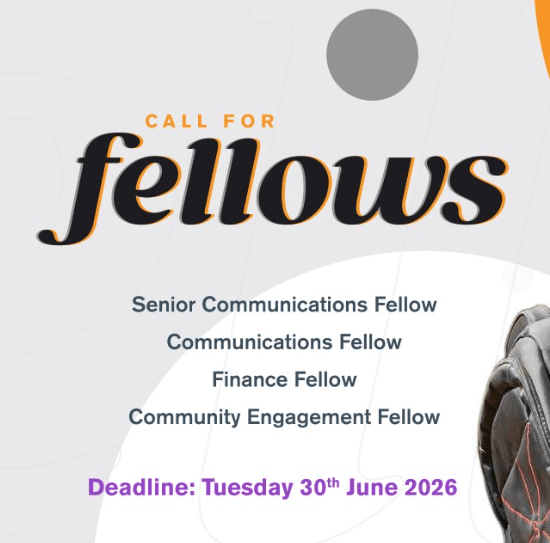
Fellowship Opportunities for Communications, Finance, and Community Engagement Professionals
Pollicy Data Institute Limited

Ashinaga Foundation Internship Program 2026–2027: Global Remote and Tokyo-Based Internship Opportunities for Students and Recent Graduates
2027: Global Remote and Tokyo-Based Internship Opportunities for Students and Recent Graduates
United Nations Women Political Participation Internship 2026 in New York, United States: Gain Hands-On Experience in Global Gender Equality and Democratic Governance
On Experience in Global Gender Equality and Democratic Governance

Civic Graph Fellowship
Code for Africa
PhD Studentship in Movement Ecology and Conservation
Bournemouth University