
Strategic Foresight and Systems Thinking Learning Pathway: Build Future-Ready Skills for Sustainable Development and Better Decision-Making @Ready Skills for Sustainable Development and Better Decision-Making
As the world faces increasingly complex challenges ranging from climate change and economic uncertainty to technological disruption and social transformation, traditional approaches to planning and decision-making are no longer sufficient. Organizations, governments, and development practitioners need innovative tools that help them anticipate future trends, understand interconnected systems, and make informed decisions in uncertain environments.
The Strategic Foresight and Systems Thinking Learning Pathway offered through UN SDG:Learn provides learners with an opportunity to develop practical knowledge and skills that support forward-looking decision-making, integrated planning, and resilient approaches to sustainable development.
This comprehensive learning pathway introduces participants to the foundations of systems thinking and strategic foresight while providing practical methods, tools, and real-world applications that can be used to address complex development challenges and advance the implementation of the Sustainable Development Goals (SDGs).
Why Strategic Foresight and Systems Thinking Matter
Today’s challenges are interconnected. Decisions made in one area often affect outcomes in many others. Whether addressing food security, public health, climate resilience, education, or economic development, stakeholders must understand the broader systems in which these issues operate.
Strategic foresight and systems thinking help individuals and organizations:
- Anticipate emerging trends and future developments.
- Identify risks and opportunities before they occur.
- Improve long-term planning and policy design.
- Strengthen resilience in uncertain environments.
- Understand complex relationships between social, economic, and environmental factors.
- Develop integrated solutions that address root causes rather than symptoms.
- Support achievement of the 2030 Agenda for Sustainable Development.
The learning pathway equips participants with the knowledge needed to move beyond reactive decision-making and adopt proactive approaches to sustainable development.
About the Strategic Foresight and Systems Thinking Learning Pathway
The Strategic Foresight and Systems Thinking Learning Pathway is designed to build learners’ capacity in future-oriented thinking and systems-based approaches.
Participants will explore how strategic foresight and systems thinking can be applied to:
- Policy development.
- Government planning.
- Sustainable development initiatives.
- Institutional resilience.
- Program and project design.
- Risk management.
- SDG implementation.
The pathway demonstrates how foresight tools, participatory methodologies, and integrated thinking can support more effective decision-making processes and contribute to sustainable outcomes.
Sustainable Development Goals Covered
The learning pathway contributes directly to:
SDG 17: Partnerships for the Goals
The pathway emphasizes collaborative approaches, integrated planning, and partnerships that strengthen sustainable development efforts.
SDG 17: Systemic Issues
Participants learn how systems thinking can help address interconnected development challenges and support coordinated responses across sectors and stakeholders.
Learning Outcomes
Upon completing the pathway, learners will be able to:
- Understand the principles of systems thinking.
- Explain the importance of strategic foresight in planning and governance.
- Apply foresight tools to identify trends and future scenarios.
- Analyze complex systems and their interactions.
- Assess potential risks and opportunities.
- Support evidence-based and future-oriented policy development.
- Promote resilience and adaptive decision-making.
- Integrate foresight and systems approaches into sustainable development initiatives.
Structure of the Learning Pathway
The pathway is organized into three comprehensive modules that progressively build participants’ understanding and practical skills.
Module 1: Foundations of Strategic Foresight and Systems Thinking
The first module introduces the fundamental concepts that underpin systems thinking and strategic foresight.
Participants will learn:
- What systems thinking is and why it matters.
- How complexity and uncertainty affect decision-making.
- The importance of anticipating future developments.
- The role of foresight in governance and planning.
- How integrated approaches can improve policy outcomes.
Featured Course
Anticipatory Governance: Systems Thinking & Strategic Foresight
Format: Self-paced e-learning
Providers: United Nations Department of Economic and Social Affairs (UN DESA) and the United Nations Institute for Training and Research (UNITAR)
This course explores anticipatory governance approaches and demonstrates how systems thinking and strategic foresight can support more adaptive and effective decision-making.
Module 2: Strategic Foresight Methods and Tools
The second module focuses on practical techniques and methodologies used in strategic foresight.
Participants will explore:
- Trend analysis.
- Horizon scanning.
- Future scenario development.
- Risk assessment techniques.
- Opportunity mapping.
- Long-term strategic planning methods.
- Policy development tools for uncertain futures.
Featured Course
Strategic Foresight 101
Format: Self-paced e-learning
Provider: International Telecommunication Union (ITU)
This introductory course provides learners with practical foresight methods that can be applied across sectors and policy areas.
Module 3: Applying Systems Thinking and Foresight in Practice
The final module focuses on real-world implementation and practical applications.
Participants will examine:
- Case studies from development practice.
- Systems-based approaches in policy processes.
- Lessons from United Nations country operations.
- Practical applications for SDG implementation.
- Multi-stakeholder engagement and participatory approaches.
- Institutional learning and adaptive governance.
Featured Learning Event
Towards Foresight and System-Based Approaches in UN Country Work
Format: Webinar
Organizers:
- UNITAR
- Division for Public Institutions and Digital Government (DPIDG)
- MCO
- UN Cameroon
The webinar provides valuable insights into how foresight and systems thinking are being integrated into United Nations country-level operations and development programming.
Key Benefits of Participating
Learners who complete the pathway can expect to gain:
1. Future-Oriented Planning Skills
Develop the ability to anticipate changes and prepare for emerging opportunities and challenges.
2. Stronger Decision-Making Capacity
Learn frameworks that support informed and strategic decisions in uncertain environments.
3. Systems Thinking Expertise
Understand how different elements of complex systems interact and influence one another.
4. Practical Policy and Governance Knowledge
Strengthen your ability to contribute to effective policy design and implementation.
5. Enhanced Professional Competitiveness
Acquire highly sought-after skills increasingly valued across government institutions, international organizations, NGOs, academia, and the private sector.
6. SDG Implementation Knowledge
Learn how foresight and systems approaches can accelerate progress toward the Sustainable Development Goals.
Who Should Enroll?
This learning pathway is particularly valuable for:
- Policymakers.
- Government officials.
- Project managers.
- Development practitioners.
- UN professionals.
- Researchers and academics.
- Students interested in sustainable development.
- Civil society leaders.
- Strategic planners.
- Innovation and governance specialists.
- Sustainability professionals.
Learning Format
The pathway combines multiple learning formats, including:
- Self-paced online courses.
- Interactive learning resources.
- Expert-led webinars.
- Practical case studies.
- Applied examples from international development contexts.
This flexible structure allows participants to learn at their own pace while gaining exposure to practical experiences and expert insights.
Why This Learning Pathway Is Important for the Future
As uncertainty becomes a defining characteristic of modern governance and development, the ability to think systematically and anticipate future developments is becoming increasingly essential.
Organizations worldwide are investing in foresight capabilities to improve preparedness, resilience, and long-term effectiveness. This learning pathway offers a valuable opportunity for professionals and aspiring leaders to acquire these critical competencies while contributing to sustainable development goals and future-ready governance systems.
By completing the Strategic Foresight and Systems Thinking Learning Pathway, learners position themselves at the forefront of innovative planning and decision-making practices that are shaping the future of sustainable development globally.
How to Enroll
Interested participants can create an account or log in to the UN SDG:Learn platform and enroll in the Strategic Foresight and Systems Thinking Learning Pathway to begin developing future-focused skills for sustainable development.
Deadline: No application deadline specified. Enrollment is currently open through the UN SDG:Learn platform.
Learn More
- For more information about this opportunity, Click here
- More global short courses opportunities for youth, visit the OFY website: Click here
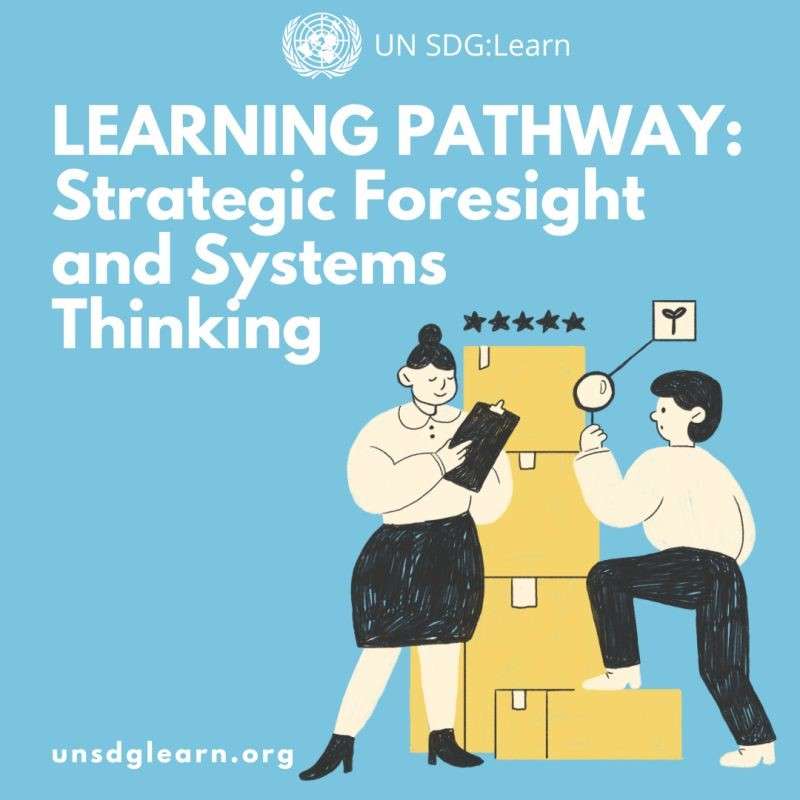
Strategic Foresight and Systems Thinking Learning Pathway: Build Future-Ready Skills for Sustainable Development and Better Decision-Making
@Ready Skills for Sustainable Development and Better Decision-Making
Location
USA / Global
Work Mode
africa
Posted
about 5 hours ago
Beware of scams! When applying for jobs, you should NEVER have to pay anything. Learn about job scams.
Get jobs in your inbox
Join over 10,000 subscribers receiving our weekly newsletter.
You might also like
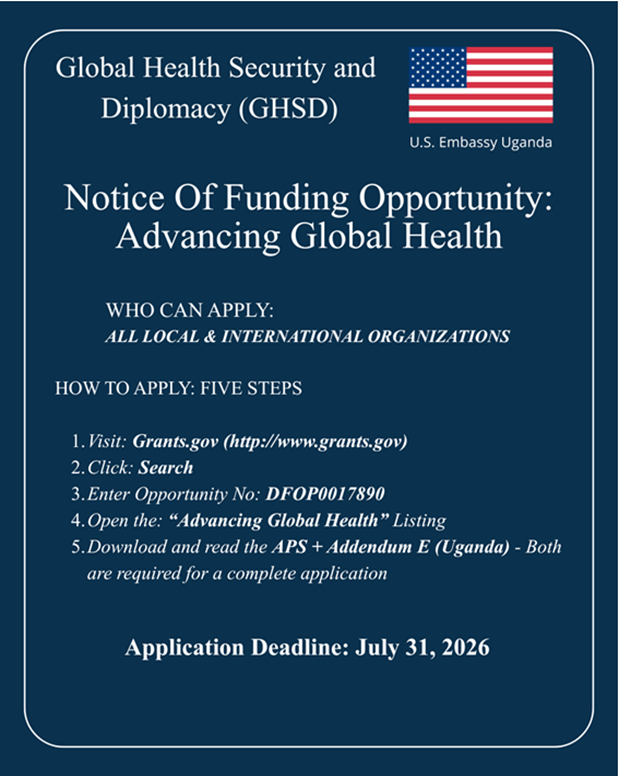
U.S. Department of State Launches Up to $60 Million Funding Opportunity to Strengthen Uganda’s Health System Through the Health Foreign Assistance MOU Implementation Plan
Unknown
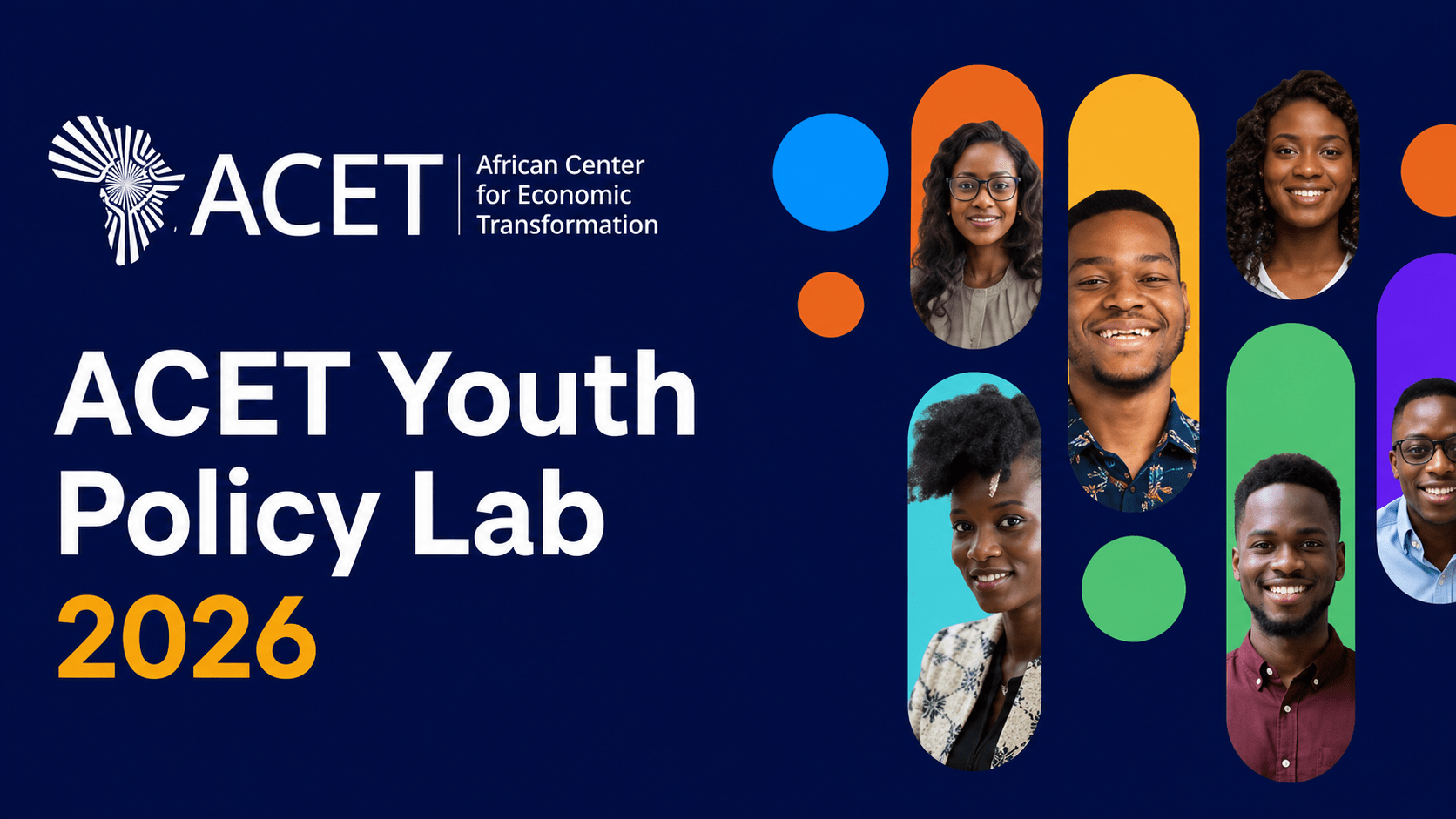
ACET Youth Policy Lab 2026: Fully Virtual Pan-African Policy Innovation Challenge for Young Leaders Driving Africa’s Future
African Policy Innovation Challenge for Young Leaders Driving Africa’s Future
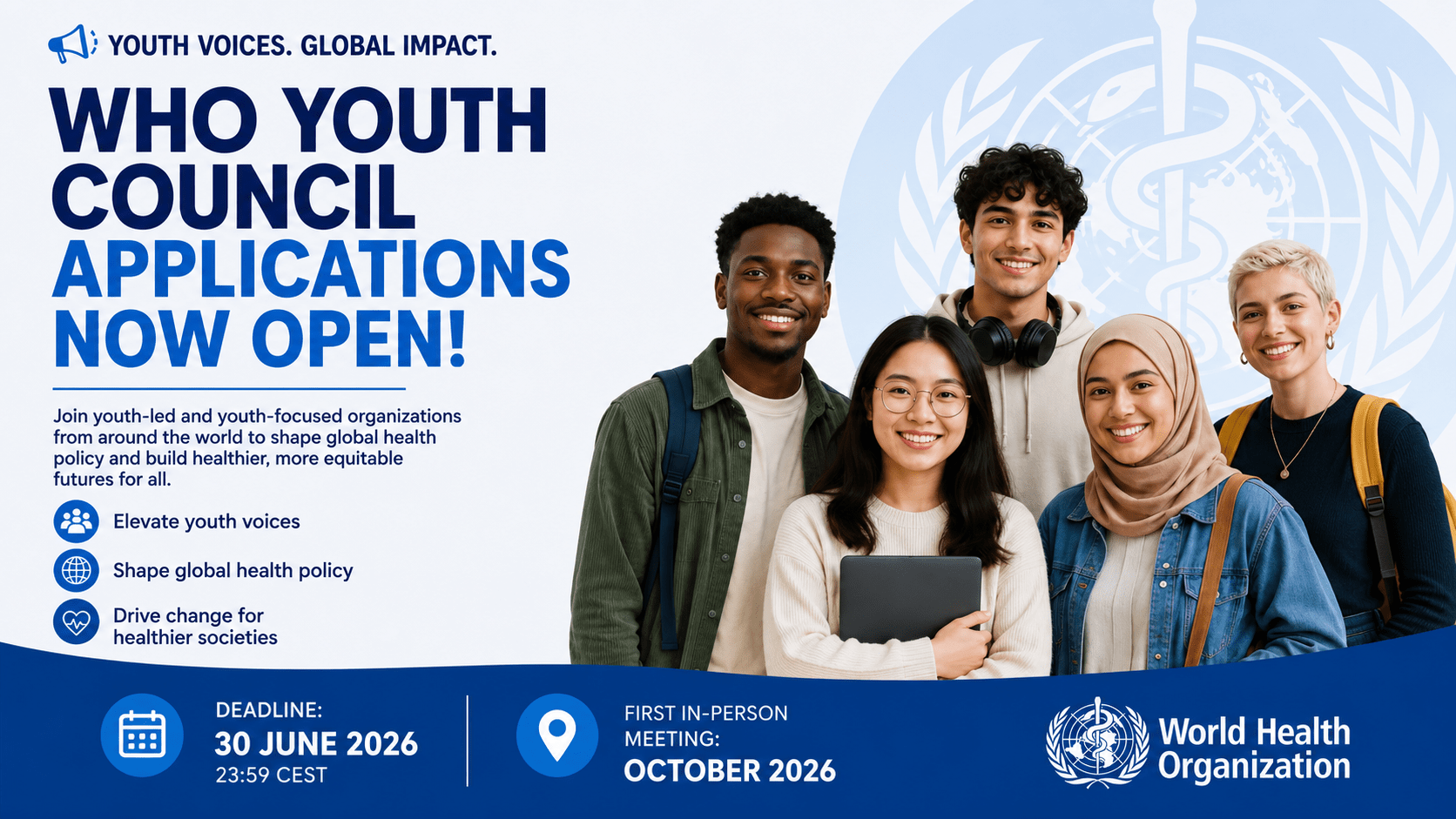
WHO Youth Council 2026–2028: Global Call for Youth Organizations to Shape International Health Policy
2028: Global Call for Youth Organizations to Shape International Health Policy
Fully Funded PhD in Gender, Peace and Security at the Swedish Defence University 2027 | Salary, Research Funding and International Applicants Welcome
the Swedish Defence University 2027 | Salary, Research Funding and International Applicants Welcome
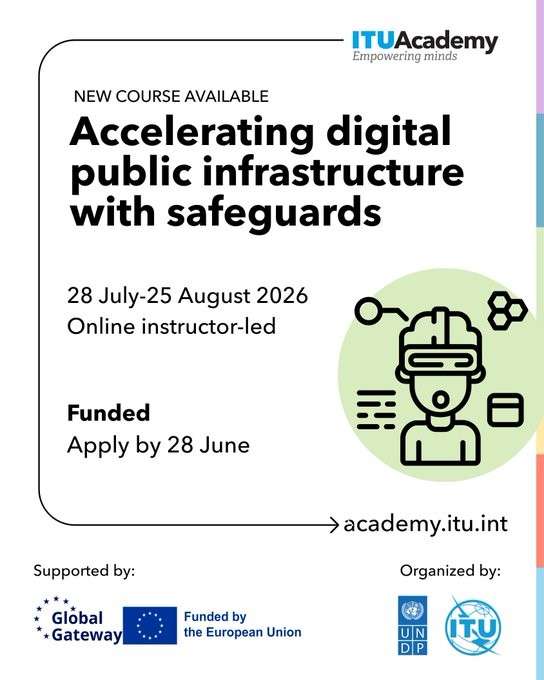
Accelerating Digital Public Infrastructure with Safeguards 2026: Free ITU and UNDP Global Online Course for Government Officials, Policymakers, ICT Specialists, and Digital Transformation Leaders
Unknown
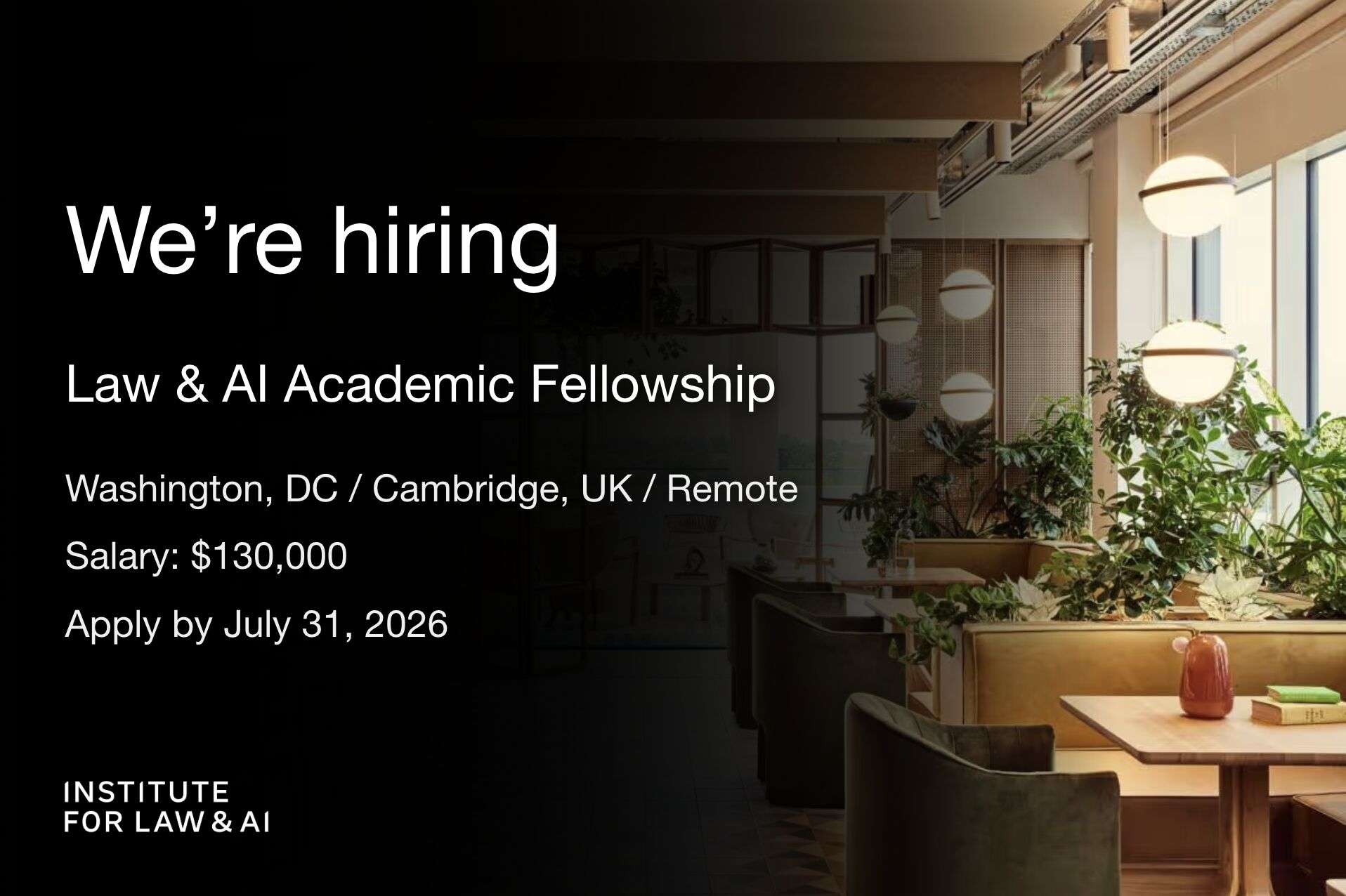
The Law & AI Academic Fellowship: A Premier Pathway Into U.S. Legal Academia
Unknown