








EU Environment Academy 2026 in Ukraine: Fully Funded Training on EU Environmental Law and Accession ·Unknown
Applications are now open for the EU Environment Academy 2026–2027, an intensive professional training programme supporting environmental governance and Ukraine’s integration of European Union environmental legislation.
Ukraine will host the 2026 edition of the Academy, which is organised and fully funded by the Swedish Environmental Protection Agency. The programme will help environmental professionals, government officials, civil-society representatives and selected advanced university students strengthen their understanding of EU accession, environmental law and the requirements contained in Chapter 27 of the EU acquis.
The Academy will run approximately from late September 2026 until March 2027, including a winter break. Most activities will be delivered online, with the possibility of one or two in-person study visits or workshops in relevant European Union Member States.
Applications must be submitted by 20 August 2026, according to the official EU Environment Academy 2026 announcement.
About the EU Environment Academy 2026
The EU Environment Academy provides advanced knowledge of European Union institutions, legislation, policymaking, enlargement and accession. The 2026–2027 programme has been developed specifically in the context of Ukraine’s European integration process.
One of the central areas of study will be Chapter 27 of the EU acquis, which covers environmental protection and related legislation that countries seeking EU membership must incorporate into their national legal and administrative systems.
The programme will examine:
- The institutions, bodies and agencies of the European Union;
- The relationship between EU institutions and national authorities;
- EU treaties, directives, regulations and other legal instruments;
- The EU policymaking and lawmaking process;
- The EU enlargement and accession process;
- Legal approximation and legislative alignment;
- Screening and accession negotiations;
- Environmental governance and implementation;
- Waste-management legislation;
- Biodiversity and nature-conservation legislation;
- The Natura 2000 framework;
- Water protection;
- Air-quality legislation;
- Climate-change policy;
- Environmental impact assessment;
- Strategic environmental assessment;
- Access to environmental information; and
- The practical implementation of EU environmental requirements.
The Academy is intended to develop both theoretical understanding and practical capacity. Participants will study the legal requirements of EU accession while also considering how environmental legislation can be implemented through national, regional and local institutions.
EU Environment Academy 2026–2027 at a Glance
- Programme: EU Environment Academy 2026–2027
- Host country: Ukraine
- Organiser and funder: Swedish Environmental Protection Agency
- Application status: Open
- Application deadline: 20 August 2026
- Expected selection date: By 10 September 2026
- Programme period: Approximately late September 2026 to March 2027
- Winter break: Included
- Primary format: Online
- In-person component: One or two possible study visits or workshops
- Possible study-visit locations: Poland, Sweden or Belgium, including Brussels
- Working language: English
- Expected workload: Approximately 10 hours per week
- Number of participants: Approximately 30
- Participation costs: Fully covered by the Swedish Environmental Protection Agency
- Application method: Letter of Intent submitted by email
- Application email: EUacademy@swedishepa.se
- Qualification awarded: Certificate for successful completion
- Post-programme opportunity: Access to the EU Environment Academy alumni network
Programme Duration and Format
The EU Environment Academy will run for approximately six months, from late September 2026 until March 2027. A winter break will be included in the schedule.
The programme will be delivered primarily online through live sessions. The learning format is expected to combine:
- Live lectures;
- Interactive case studies;
- Group exercises;
- Individual assignments;
- Guided self-study;
- Practical exercises;
- Independent reading; and
- Examination sessions.
Online delivery will allow participants from different parts of Ukraine to participate while continuing their professional or academic responsibilities. However, the programme requires a substantial weekly commitment.
Participants should expect to dedicate approximately 10 hours each week to lectures, assignments, self-study and examinations. Applicants should therefore obtain their employer’s support before applying and ensure that they can consistently allocate sufficient time to the programme.
In-Person Study Visits and Workshops
Although the Academy will be conducted mainly online, the programme may include one or two face-to-face study visits or workshops.
These events are expected to be arranged in European Union Member States that are geographically close to Ukraine or particularly relevant to the programme. The official announcement identifies the following possible locations:
- Poland;
- Sweden; or
- Belgium, particularly Brussels.
The final number, location and schedule of the face-to-face activities have not yet been confirmed.
The Swedish Environmental Protection Agency states that participation costs will be fully covered, including costs related to face-to-face events. However, the official page does not provide a detailed breakdown of individual travel, accommodation, insurance or visa arrangements. Selected participants should therefore obtain specific guidance from the programme organisers before making travel arrangements.
Participation Costs and Employer Responsibilities
There is no participation fee for selected candidates. The Swedish Environmental Protection Agency will fully cover participation costs, including costs connected with the programme’s face-to-face activities.
While the programme is funded, employers are expected to support participating employees in two important ways:
-
Allocation of working time
Employers must allow selected participants to attend webinars, lectures and other programme activities during working hours.
-
Provision of technical equipment
Employers should provide the technical equipment required for online participation, including a suitable computer and camera.
Candidates who are selected will be required to submit confirmation from their employer stating that they will receive sufficient working time to complete the course and participate in its online activities.
Applicants should discuss this requirement with their employer before applying. A candidate who cannot obtain the required institutional support may face difficulty confirming participation after selection.
Programme Language
The working language of the EU Environment Academy is English.
Applicants should indicate their English-language level in their application. A good command of English will be beneficial because the curriculum involves lectures, EU legal terminology, academic materials, assignments, case studies and examinations.
The organisers state that simultaneous interpretation may be offered during webinars. However, interpretation is described as a possibility rather than a guaranteed service for every activity. Applicants should therefore be prepared to study and communicate in English.
Understanding Chapter 27 of the EU Acquis
Chapter 27 is the part of the EU accession framework dealing with environmental and climate-related legislation. Candidate countries must align their national laws, administrative arrangements and implementation systems with the relevant European Union requirements.
For Ukraine, this process requires more than formally adopting new laws. Government institutions, environmental authorities and other organisations must also develop the ability to implement, monitor and enforce those requirements.
The EU Environment Academy therefore focuses on both legislation and practical application. It aims to help participants understand:
- What EU environmental law requires;
- How EU legislation is developed;
- How directives and regulations operate;
- How candidate countries approximate national laws with EU law;
- How accession screening and negotiations are conducted;
- Which institutions are responsible for implementation;
- What administrative capacity is needed;
- How environmental obligations affect national and local authorities; and
- How civil society and professional organisations can contribute to environmental governance.
Detailed Programme Structure
The programme is divided into three modules covering the EU legal system, accession procedures and environmental legislation.
Module One: EU Acquis and the EU Legal and Institutional Framework
The first module provides an introduction to the institutional and legal foundations of the European Union.
Participants will study the different EU institutions, bodies and agencies, their responsibilities and how they operate together. The module will also examine how EU institutions interact with the authorities of Member States and candidate countries.
The legal component is expected to address:
- Primary EU law, including treaties;
- Secondary legislation;
- Legislative acts;
- Executive and implementing acts;
- Communications;
- Conclusions;
- Resolutions;
- Reports;
- Other non-binding instruments;
- The principle of primacy of EU law; and
- The direct effect of EU law.
The module will use online lectures, group case studies, self-study activities, assignments and practical exercises to help participants understand how EU laws and policies are developed and applied.
Module Two: Understanding the EU Accession Process
The second module provides a more detailed examination of EU enlargement and accession.
Its purpose is to strengthen participants’ ability to understand, prepare for and contribute to the accession process. It is particularly relevant to public officials and professionals whose work involves legislative approximation, regulatory reform, environmental policy or accession negotiations.
Topics are expected to include:
- EU enlargement policy;
- The EU’s revised enlargement methodology;
- Legal and institutional approximation;
- Development of an approximation strategy;
- Screening of national legislation;
- Structure of accession negotiations;
- Preparation for negotiations;
- Participation in negotiation processes; and
- Institutional responsibilities during accession.
The module will help participants understand the steps through which candidate countries examine existing national laws, identify gaps and introduce reforms required for compliance with EU legislation.
Module Three: Chapter 27 of the EU Environmental Acquis
The third and largest module focuses on EU environmental legislation under Chapter 27.
It will provide participants with an extensive overview of the directives and regulations that candidate countries must integrate into their national systems. While the programme will examine the broader scope of Chapter 27, particular attention will be given to waste management, biodiversity conservation and practical implementation.
The detailed curriculum presented on the programme page covers both horizontal and sector-specific environmental legislation.
Horizontal environmental legislation
The horizontal component may include:
- Environmental Impact Assessment;
- Strategic Environmental Assessment;
- The Aarhus Convention;
- Public participation in environmental decision-making;
- Access to environmental information; and
- Cross-cutting principles of environmental governance.
Waste-management legislation
Waste management is identified as one of the programme’s priority areas. Participants will examine relevant EU directives and regulations and consider the institutional and practical requirements for their implementation.
Biodiversity and nature conservation
The biodiversity component will include the EU’s nature-protection framework, particularly:
- The Birds Directive;
- The Habitats Directive;
- Natura 2000;
- Protected areas;
- National parks; and
- Institutional responsibilities for biodiversity conservation.
Air quality
The curriculum description includes EU legislation concerning ambient air quality and cleaner air, including Directive 2008/50/EC.
Water protection
Participants will study the EU’s approach to water protection and the legislative responsibilities that candidate countries must incorporate into national governance systems.
Access to environmental information
The programme will consider the first pillar of the Aarhus Convention and Directive 2003/4/EC concerning public access to environmental information.
Climate change and the European Green Deal
A portion of the module will address climate-change legislation and the importance of the European Green Deal.
The course will also examine connections between environmental requirements and other areas of EU law, including:
- Chapter 15 on Energy; and
- Chapter 11 on Agriculture.
Gender equality, equity and environmental policy are also identified among the subjects covered in the detailed programme description.
Expected Learning Outcomes
By completing the EU Environment Academy, participants are expected to develop a stronger understanding of the overall EU environmental acquis and the accession negotiation process.
The programme is designed to strengthen participants’ ability to:
- Understand the legal and institutional structure of the European Union;
- Interpret EU environmental legislation;
- Follow developments in EU law and policy;
- Analyse the requirements of Chapter 27;
- Understand legislative approximation;
- Contribute to accession preparation and negotiations;
- Identify gaps between national and EU legislation;
- Address environmental governance challenges;
- Solve professional problems independently;
- Apply knowledge within government, civil society or academic work; and
- Support the practical implementation of environmental legislation.
The course can help prepare participants for qualified roles in national, regional and local government agencies, professional and public-interest organisations, civil society and international organisations.
Certificate and Alumni Network
Participants who successfully complete the programme will receive a certificate.
Successful participants will also be invited to join the EU Environment Academy alumni network. The network is intended to support continuing professional contact, knowledge exchange and cooperation among people working on EU approximation and environmental governance.
Alumni activities may include:
- Tailored seminars on EU accession;
- Online lectures;
- Knowledge-sharing activities;
- Continued dialogue among participants;
- Exchange of professional experience;
- Invitations to relevant local or regional events; and
- Opportunities to maintain contact with other members of the course.
The alumni network is intended to remain useful after the formal course has ended by providing a professional platform for discussing EU environmental legislation and implementation.
Who Can Apply?
The EU Environment Academy 2026 is open to people in Ukraine who work in the environmental field within government agencies and other relevant institutions.
Potential applicants include professionals working in:
- Government ministries;
- Central government agencies;
- Regional authorities;
- Local authorities;
- Environmental institutions;
- Non-governmental organisations;
- Civil-society organisations; and
- Other institutions whose daily work is substantially affected by EU accession requirements.
Advanced-level university students specialising in EU accession, environmental studies or a closely related field may also be considered.
Academic and Professional Requirements
Applicants are expected to meet the following requirements:
- Be based in Ukraine;
- Work in the environmental field or in a role substantially affected by EU accession;
- Alternatively, be an advanced-level university student in a relevant field;
- Hold at least a bachelor’s degree from a university in a related discipline;
- Possess knowledge of English;
- Be able to commit approximately 10 hours each week;
- Have access to the technical equipment needed for online participation; and
- Be able to obtain employer confirmation if selected.
The official announcement does not specify a minimum academic grade, a required number of years of professional experience or a formal English-language test score.
Selection Process
Approximately 30 participants will be selected.
Selection will be based on the Letter of Intent submitted by each applicant. The programme will give priority to younger candidates who are at the beginning of their professional careers.
However, the organisers also aim to create a balanced group containing participants with different ages and levels of professional experience. Early-career priority should therefore not be interpreted as a strict age limit or as an automatic exclusion of experienced professionals.
The organisers aim to complete the selection process by 10 September 2026.
Candidates who are selected must subsequently provide confirmation from their employer that they will be allowed to use working time to participate in the programme’s webinars, lectures and other activities.
How to Apply
There is no online application form listed for the current programme. Applicants must submit a Letter of Intent by email.
Application email
Letter of Intent requirements
The Letter of Intent must not exceed two A4 pages. It should explain:
- Where the applicant works;
- The applicant’s current professional role;
- How the applicant’s work relates to EU approximation;
- The applicant’s general knowledge and experience in the environmental field;
- The applicant’s academic qualifications and merits; and
- The applicant’s motivation for joining the EU Environment Academy.
Applicants should also indicate their level of English, as requested in the programme’s language guidance.
The Letter of Intent is the main document used to evaluate applicants. It should therefore provide specific evidence of professional responsibilities, environmental knowledge and involvement in work connected with EU accession or legislative approximation.
How to Prepare a Strong Letter of Intent
A competitive Letter of Intent should be clear, specific and directly connected to the Academy’s objectives.
Applicants should consider the following approach:
1. Introduce the professional context
State the organisation, department, current position and principal responsibilities. Avoid giving only a job title without explaining the work performed.
2. Explain the connection with EU approximation
Describe how the applicant’s work is affected by Ukraine’s EU accession process. Strong applications should identify specific policies, regulations, programmes or institutional responsibilities related to environmental alignment.
3. Demonstrate environmental knowledge
Provide concrete examples of work involving environmental legislation, waste management, biodiversity, climate policy, water, air quality, environmental assessment or another relevant field.
4. Present academic qualifications
Briefly identify relevant degrees, courses, research or professional training. Only qualifications that support the application should be emphasised.
5. Explain the motivation
Describe why the programme is important to the applicant’s current responsibilities and future professional contribution. The motivation should go beyond general interest in Europe or the environment.
6. Explain the expected institutional value
Show how the knowledge acquired will be used after the course. This could include supporting policy development, legislative alignment, implementation, institutional capacity, public administration or civil-society engagement.
7. Respect the two-page limit
The Letter of Intent must not exceed two A4 pages. Applicants should remove repetition and prioritise evidence directly relevant to the programme.
Application Timeline
- Applications open: Confirmed as open on the official programme page
- Application deadline: 20 August 2026
- Expected completion of selection: By 10 September 2026
- Programme commencement: Approximately late September 2026
- Winter break: Included
- Programme completion: Approximately March 2027
- Possible study visits or workshops: Dates and locations to be confirmed
About the European Institute of Public Administration
The official Academy page also provides background information on the European Institute of Public Administration.
EIPA is an educational institution specialising in European Union legislation, public affairs and legislative approximation. It has approximately 40 years of experience in training public-administration officials from EU Member States, candidate countries, the European Commission and other EU institutions.
Its work combines theoretical understanding with practical knowledge of European Union policies. EIPA has also maintained a substantial presence in countries preparing for EU membership.
Official Programme Link
Complete programme information and any subsequent updates are available on the Swedish Environmental Protection Agency’s EU Environment Academy 2026 webpage.
Conclusion
The EU Environment Academy 2026–2027 offers environmental professionals and selected advanced university students in Ukraine an intensive opportunity to develop practical knowledge of European Union environmental law, accession procedures and legislative approximation.
With participation costs fully covered, online delivery, possible study visits to EU Member States, a structured three-module curriculum, professional certification and access to an alumni network, the Academy is particularly valuable for people whose work will contribute to Ukraine’s environmental reforms and European integration.
The programme requires a serious commitment of approximately 10 hours per week, strong institutional support and a carefully prepared Letter of Intent. Interested candidates should discuss participation with their employer, prepare a focused application of no more than two A4 pages and submit it to EUacademy@swedishepa.se no later than 20 August 2026.
For more global opportunities, click HERE.
EU Environment Academy 2026 in Ukraine: Fully Funded Training on EU Environmental Law and Accession
@Unknown
Location
USA / Global
Work Mode
opportunity
Posted
about 9 hours ago
Beware of scams! When applying for jobs, you should NEVER have to pay anything. Learn about job scams.
Get jobs in your inbox
Join over 10,000 subscribers receiving our weekly newsletter.
You might also like
Free UNITAR Food Waste Prevention Course with Digital Certificate: Learn How to Reduce Food Waste and Support Sustainable Development
Unknown

New openings with KNCV Tuberculosis Foundation
Unknown
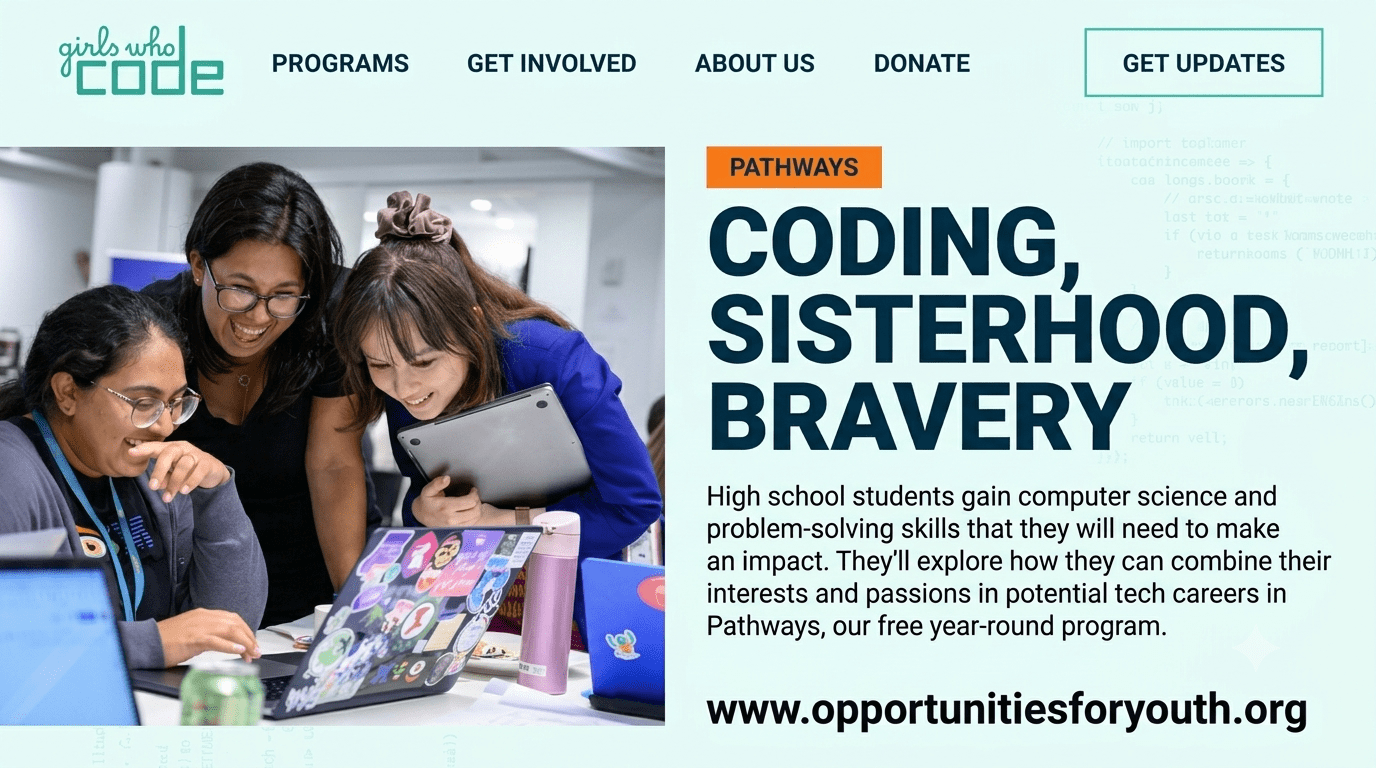
Girls Who Code Pathways Program 2026: Free Global Coding, AI, Cybersecurity, Data Science & Web Development Program for High School Students
Unknown

JOB OPPORTUNITY – STATE FIELD SUPERVISORS (NATIONWIDE)
STATE FIELD SUPERVISORS (NATIONWIDE)

2 Fully Remote Climate Adaptation Consultancy Opportunities at WIEGO: Applications Open for Global Climate Project Roles
WIEGO: Applications Open for Global Climate Project Roles

Now Hiring: Global Opportunities at Saudi Aramco
Saudi Aramco